
15 Wedding Budget Swaps That Can Save You Thousands
15 Wedding Budget Swaps That Can Save You Thousands
Without making your wedding feel cheap
Saving money on your wedding doesn’t have to mean stripping away everything that makes it feel special.
Sometimes, the biggest savings come from simply asking:
Is there another way to do this?
Wedding planning can make certain choices feel automatic: a traditional venue, full-service catering, professional florals, a DJ, elaborate centerpieces. But those aren’t the only ways to create a beautiful, meaningful wedding.
If something matters deeply to you, make room for it.
If it doesn’t? That’s where a smart swap can give you more freedom somewhere else.
Here are 15 places to start.
1. Traditional wedding venue → A space that isn’t marketed for weddings
A traditional wedding venue can take up a huge portion of your budget before you’ve paid for anything else.
Look beyond the obvious.
Churches, community spaces, restaurants, backyards, warehouses, parks, and other “used spaces” may give you what you actually need without the wedding-venue price tag.
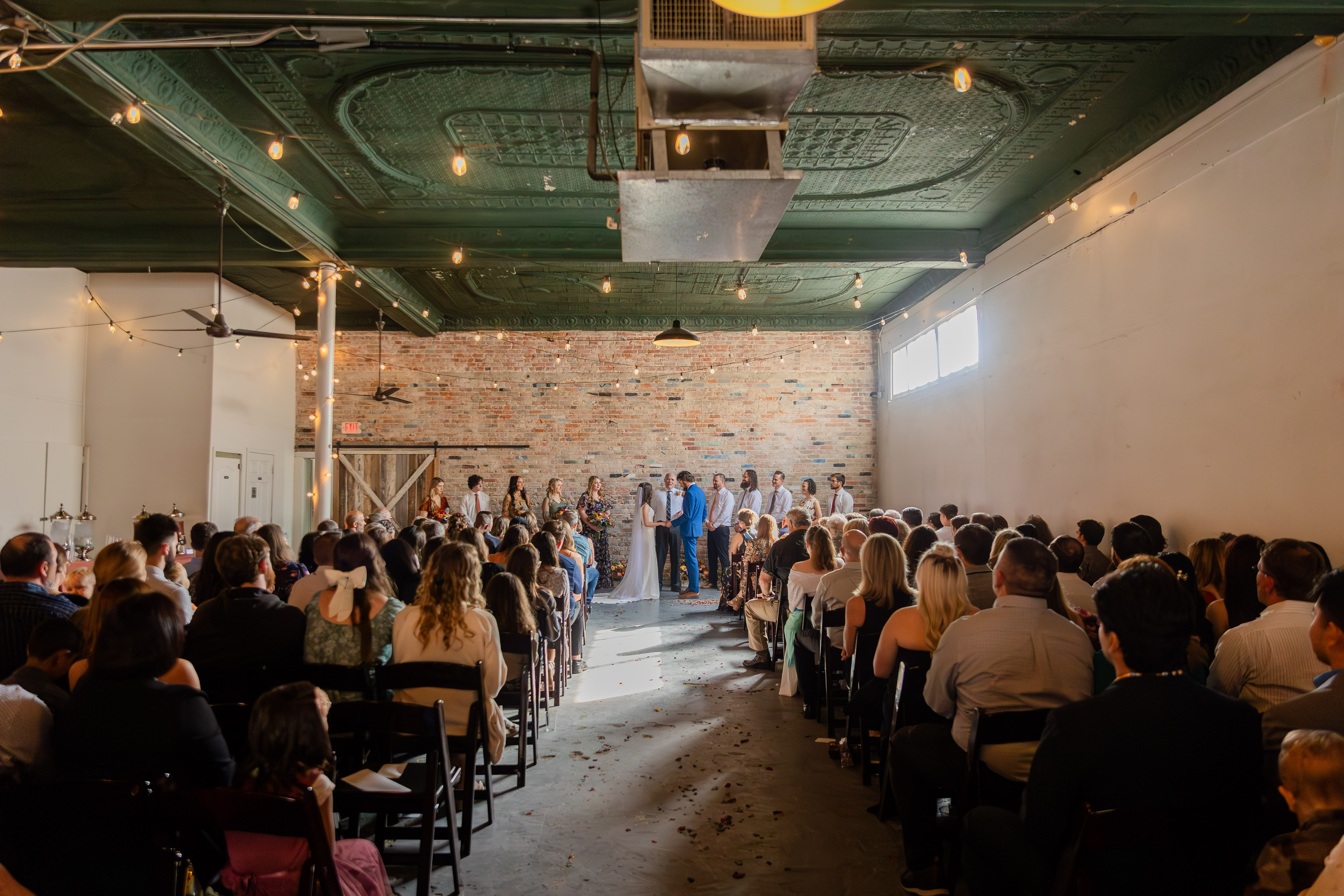
One Bridal Your Way couple, Bekah and Brock, considered a venue that would have cost around $1,800. Instead, they chose a church for approximately $100.
That one decision created about $1,700 of room elsewhere in their budget.
And that’s the point of a good budget swap: it doesn’t just save money. It gives you options.
2. Separate ceremony + reception venues → One space you can flip
Before paying for two locations, ask whether one space could do both.
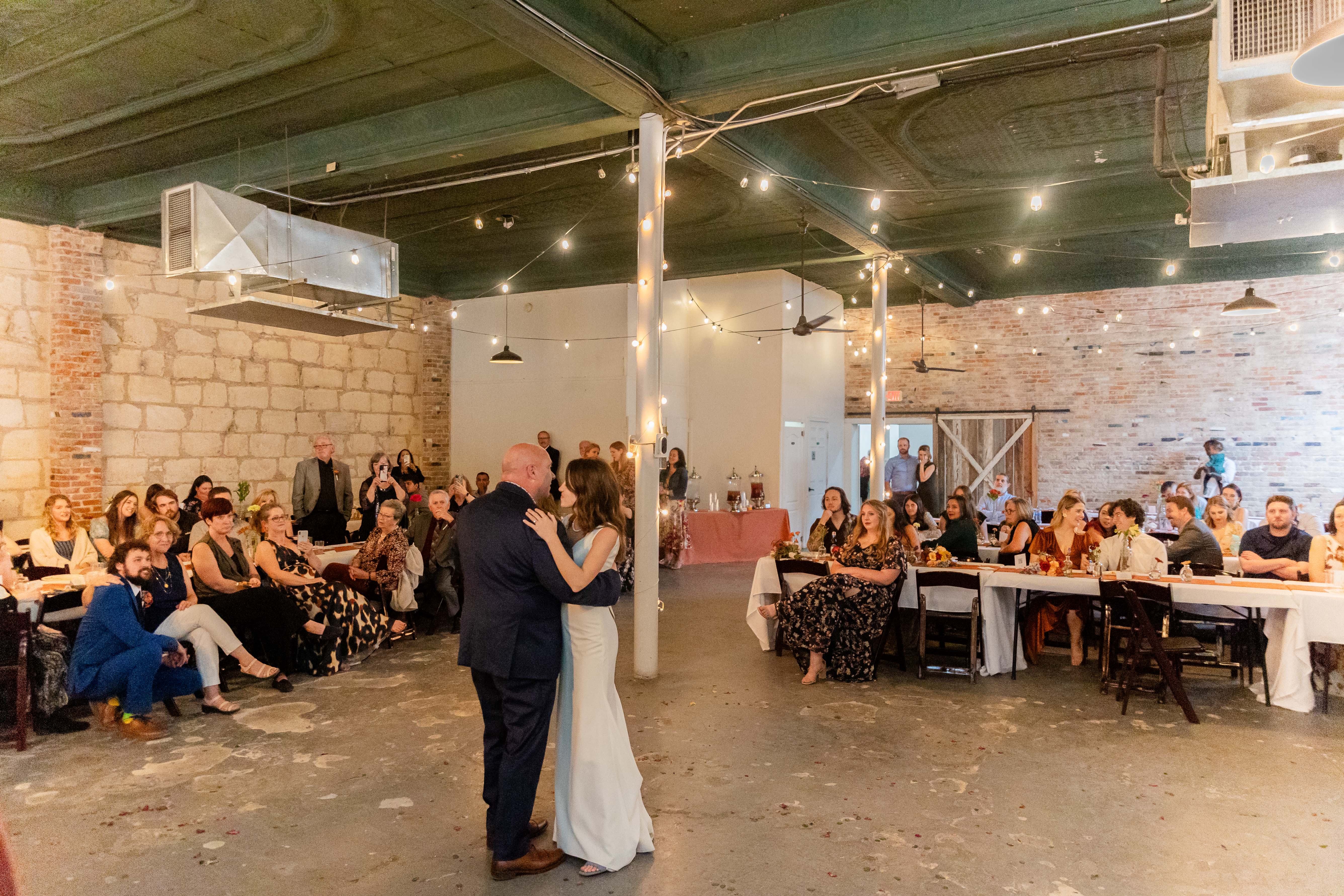
Bekah and Brock held their ceremony and reception in the same room. After the ceremony, guests moved to a coffee bar while family and friends transformed the room for the reception.
Tables had been mapped out in advance, linens were ready, and everything was staged.
The flip took about 20 minutes.
A little more planning can sometimes replace a much bigger expense.
3. Full-service catering → Your favorite local restaurant
Wedding food doesn’t have to come from a traditional wedding caterer.
Ask local restaurants about large orders, buffet-style service, or drop-off catering.
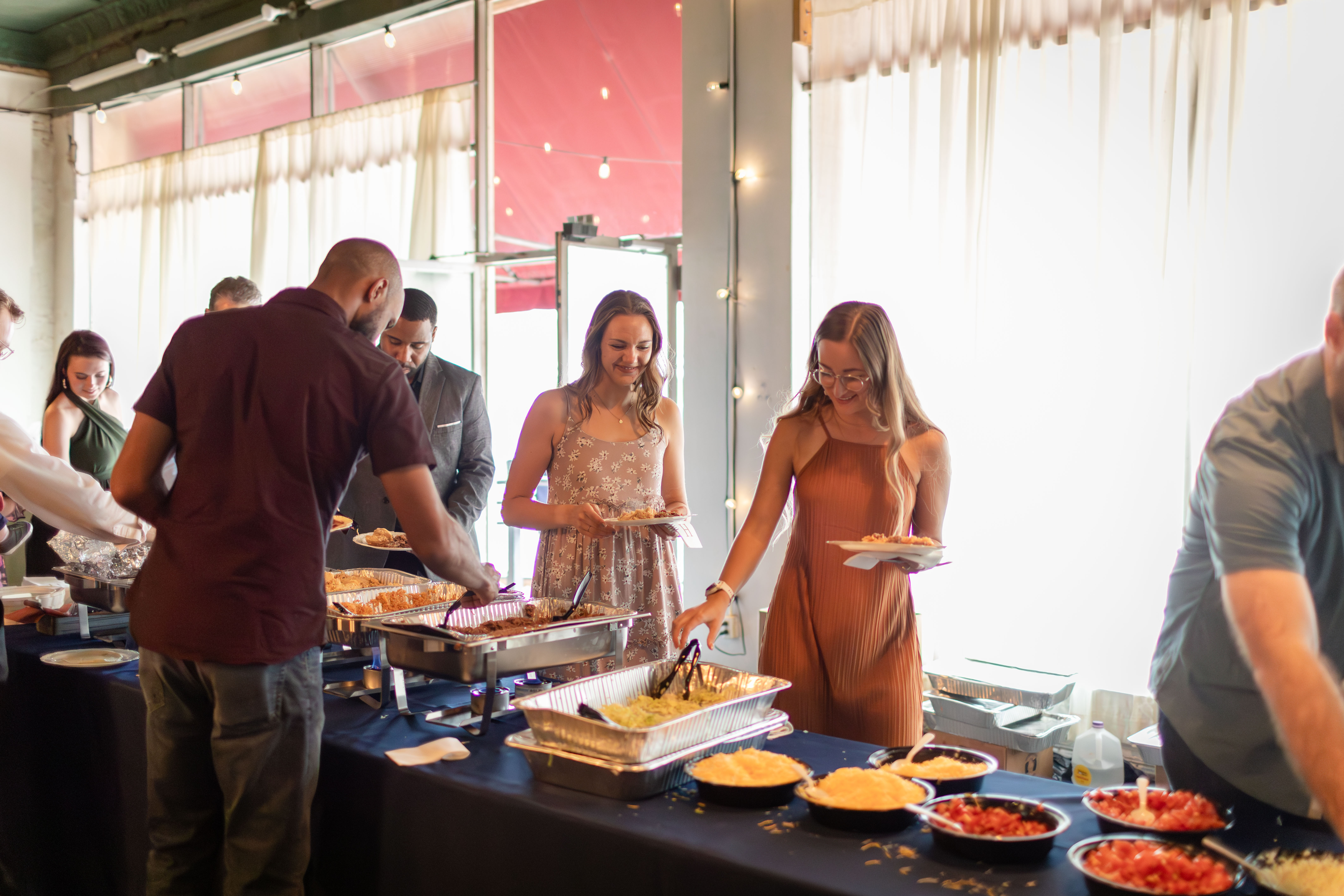
Bekah and Brock ordered food from a local Italian restaurant for approximately $1,800 for around 100 planned guests, roughly $18 per person, and family helped with serving.
Think about the experience you want first.
Then ask who can provide it without automatically limiting yourself to traditional wedding vendors.
4. Plated dinner → Buffet or food bar
A beautiful meal doesn’t have to mean individual plated service.
Consider a:
Pasta bar
Potato bar
Taco bar
Brunch buffet
Grazing table
Dessert bar
The goal isn’t to make the meal feel “budget.”
It’s to choose a format that makes sense for your budget and your guests.
5. Elaborate centerpieces → Let the food do some of the decorating
Before buying something purely decorative for every table, look at what will already be there.
Beautiful baskets of bread, desserts, fruit, grazing boards, or other thoughtfully presented food can add warmth and texture to a table.
Bekah and Brock used baskets of bread and accompaniments on their tables rather than elaborate centerpieces.
One expense. Two purposes.
That’s a budget strategy worth repeating throughout your wedding.
6. Full-service florals → DIY the flowers that make sense
You don’t necessarily need a florist to create every arrangement.
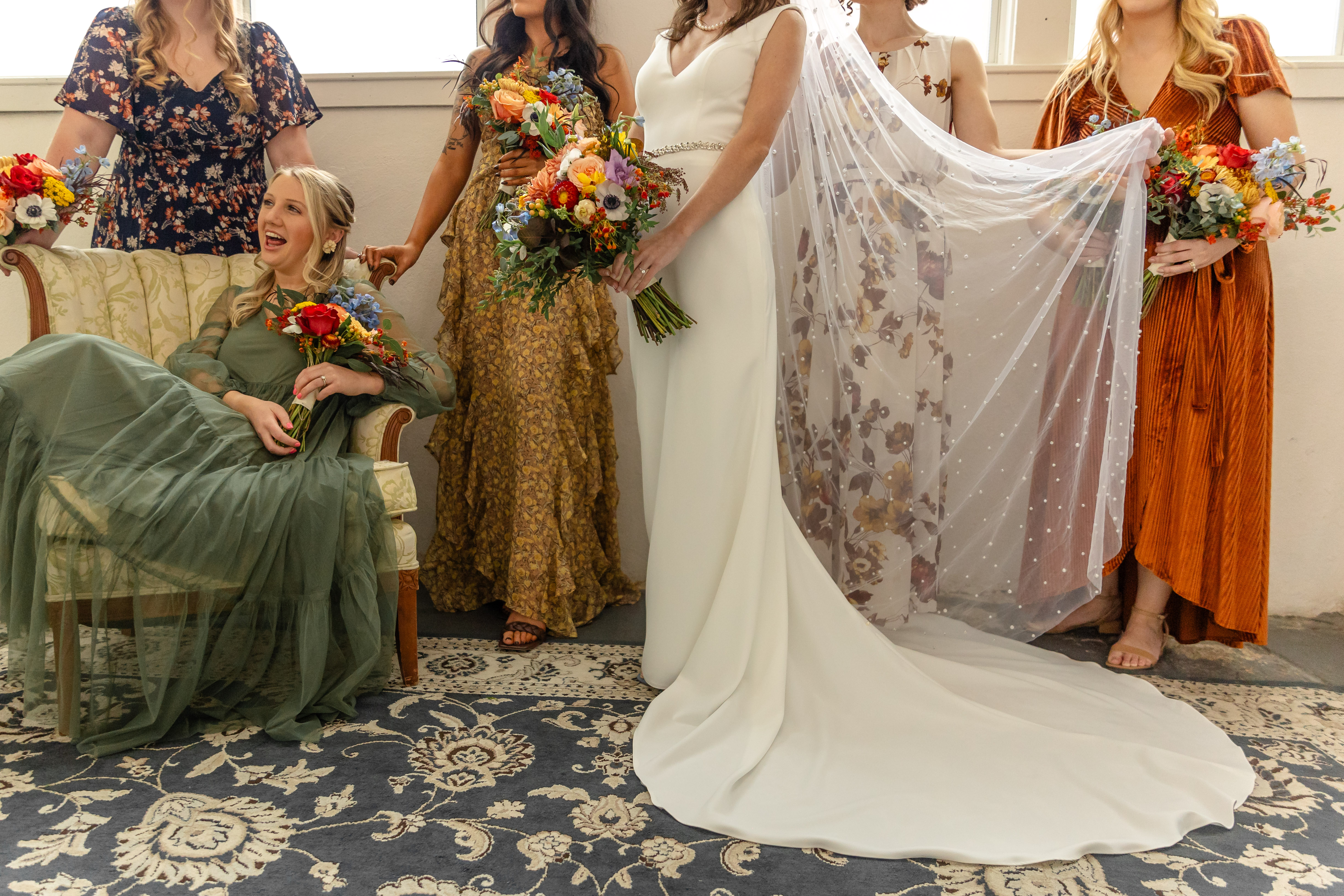
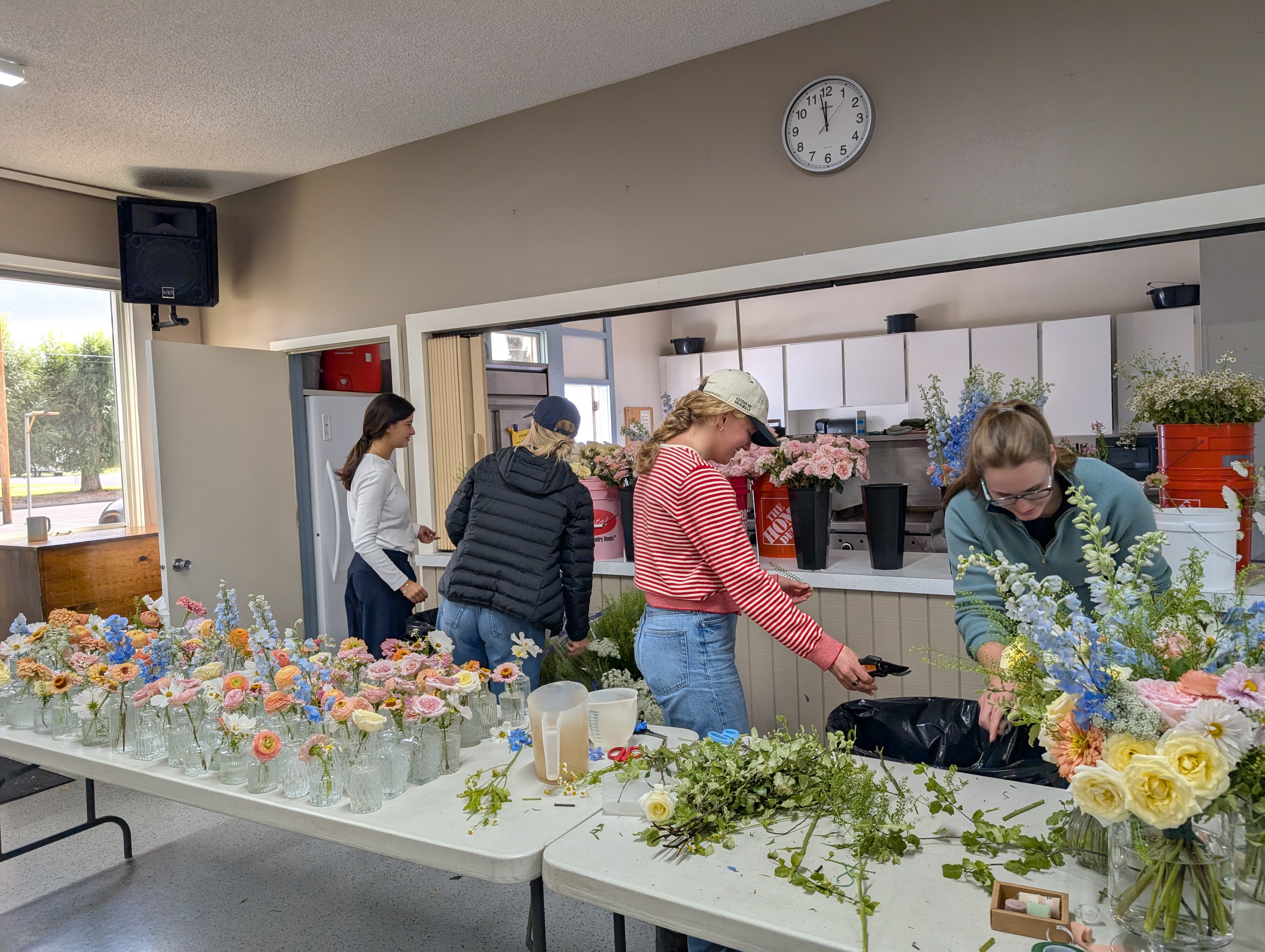
Bekah and her bridesmaids made their own bouquets together the day before the wedding. Each person could personalize hers, and the extra flowers went into simple vases around the space.
They saved money, but they also turned a wedding task into a memory.
If you’re DIYing, keep it realistic. Simple bouquets and arrangements are very different from attempting a huge floral installation the morning of your wedding.
7. Flowers everywhere → Put them where they’ll have the most impact
You don't need florals on every table, doorway, aisle, sign, and empty surface.
Choose a few areas that will actually be noticed.
Then keep the rest simple.
Intentional usually looks better than trying to fill every empty space anyway.
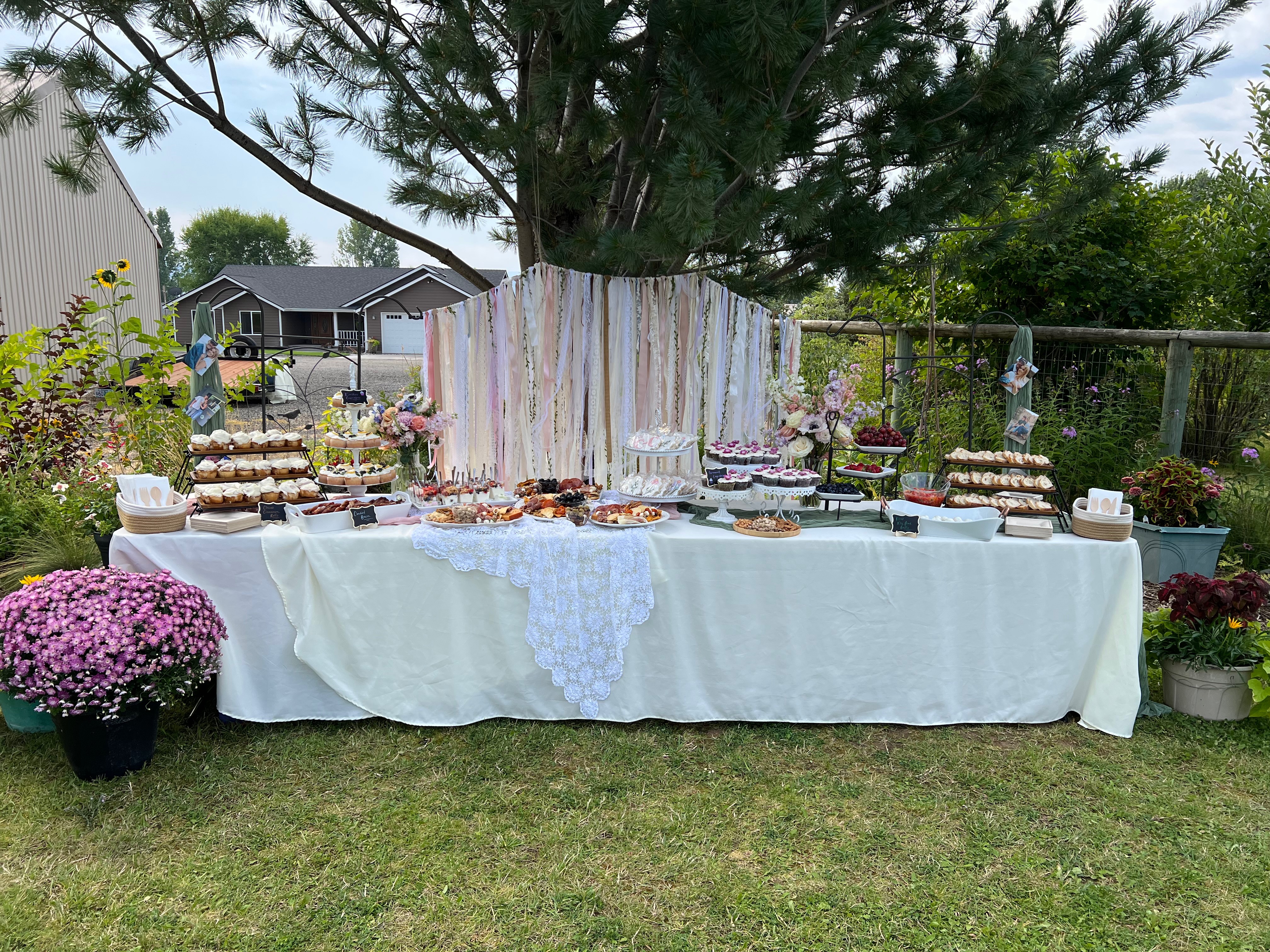
8. Separate ceremony + reception decor → Use it twice
That beautiful ceremony arch?
Move it behind the sweetheart or cake table.
Bridesmaids’ bouquets?
Place them in vases at the reception.
Greenery, candles, lanterns, signage, and floral arrangements can often move with you.
Before buying another piece of decor, ask:
“Do we already have something we could reuse here?”
9. Professional DJ → A great playlist + the right equipment
For some couples, a great DJ is absolutely worth the money.
For others, it simply isn’t a priority.
A thoughtfully planned playlist, good speakers, a microphone, and a trusted friend acting as MC can be enough to create the atmosphere you want.
Just don’t overlook the sound system.
Saving on a DJ doesn’t help if nobody can hear the ceremony or announcements.
10. Expensive lighting → String lights + candles
Lighting can transform a simple room without requiring much decor.
String lights, fairy lights, candles, and lanterns can create warmth and atmosphere for considerably less than filling the room with decorative objects.
Sometimes the best budget decor isn’t adding more.
It’s changing how the room feels.
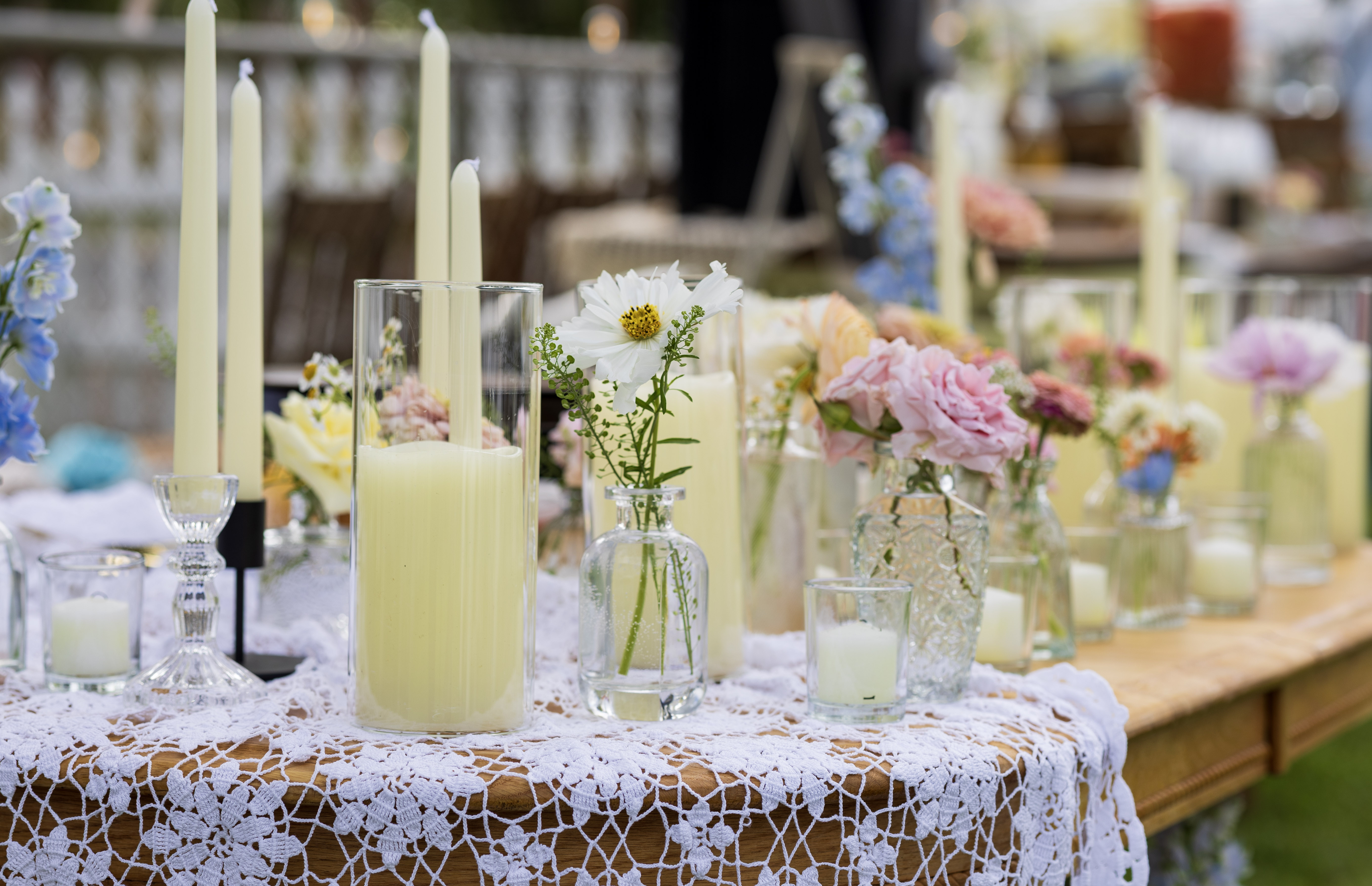
11. Brand-new wedding decor → Borrow, thrift and repurpose
Before buying something you'll use once, ask:
Can we borrow it?
Can we thrift it?
Can we make it from something we already have?
Can it serve more than one purpose?
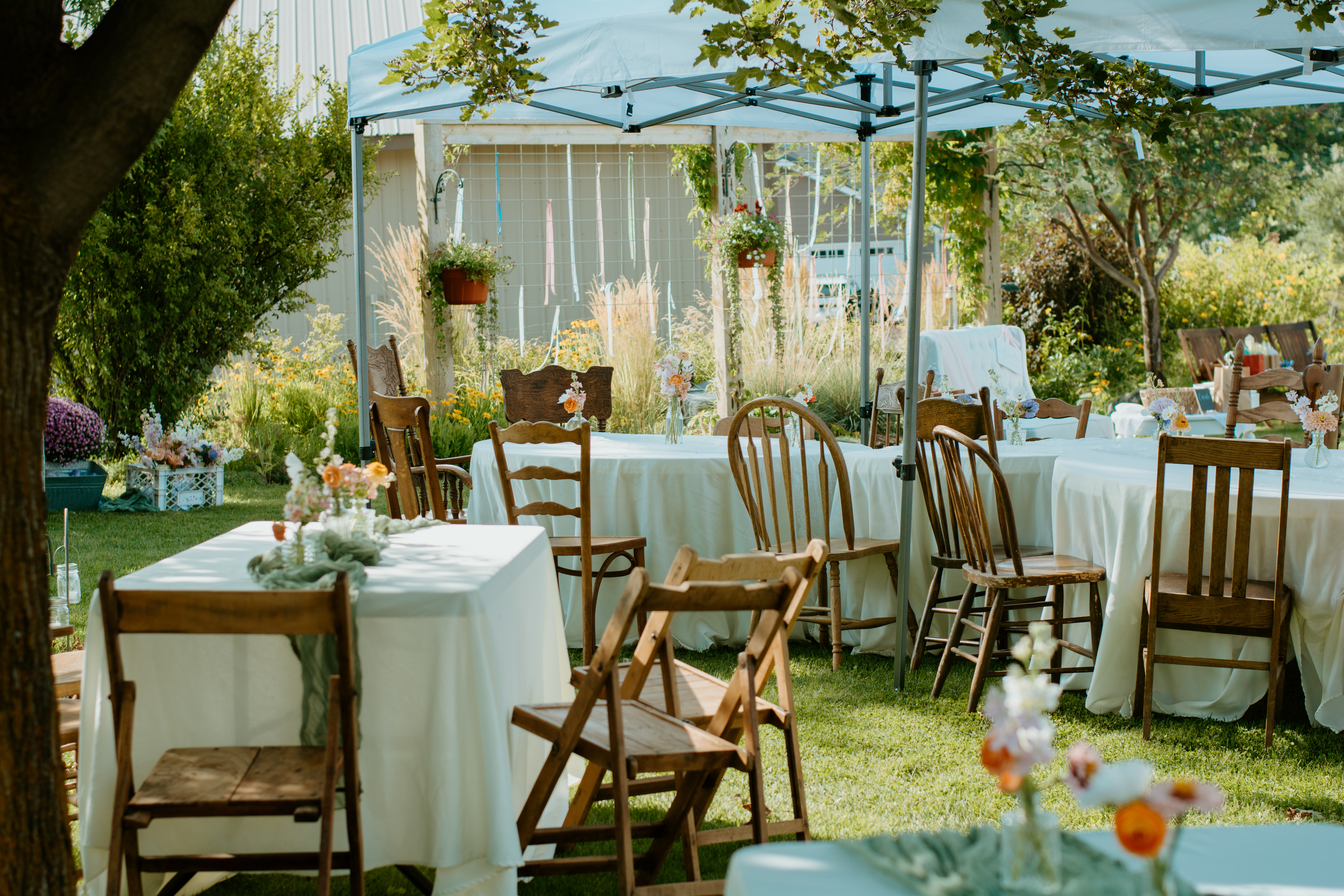
Frames, jars, mirrors, chairs, baskets, candles, linens, and bottles can all become wedding decor without beginning their lives in the wedding aisle.
12. A huge wedding party → A smaller one
Wedding parties can come with more expenses than couples initially realize.
Bouquets. Boutonnieres. Gifts. Transportation. Accommodations. Rehearsal expenses. Hair and makeup.
You don’t need ten people standing beside you to prove you have ten people you love.
A smaller wedding party can simplify both your budget and your logistics.
13. A bigger guest list → The people who actually matter
This may be one of the least glamorous budget tips—and one of the most powerful.
Every additional guest can affect more than the food bill.
It can affect your venue size, tables, chairs, linens, invitations, drinks, favors, rentals, and even how much decor you need.
You don't have to invite someone simply because wedding etiquette makes you feel like you “should.”
Your guest list should reflect the people you genuinely want there to celebrate with you.
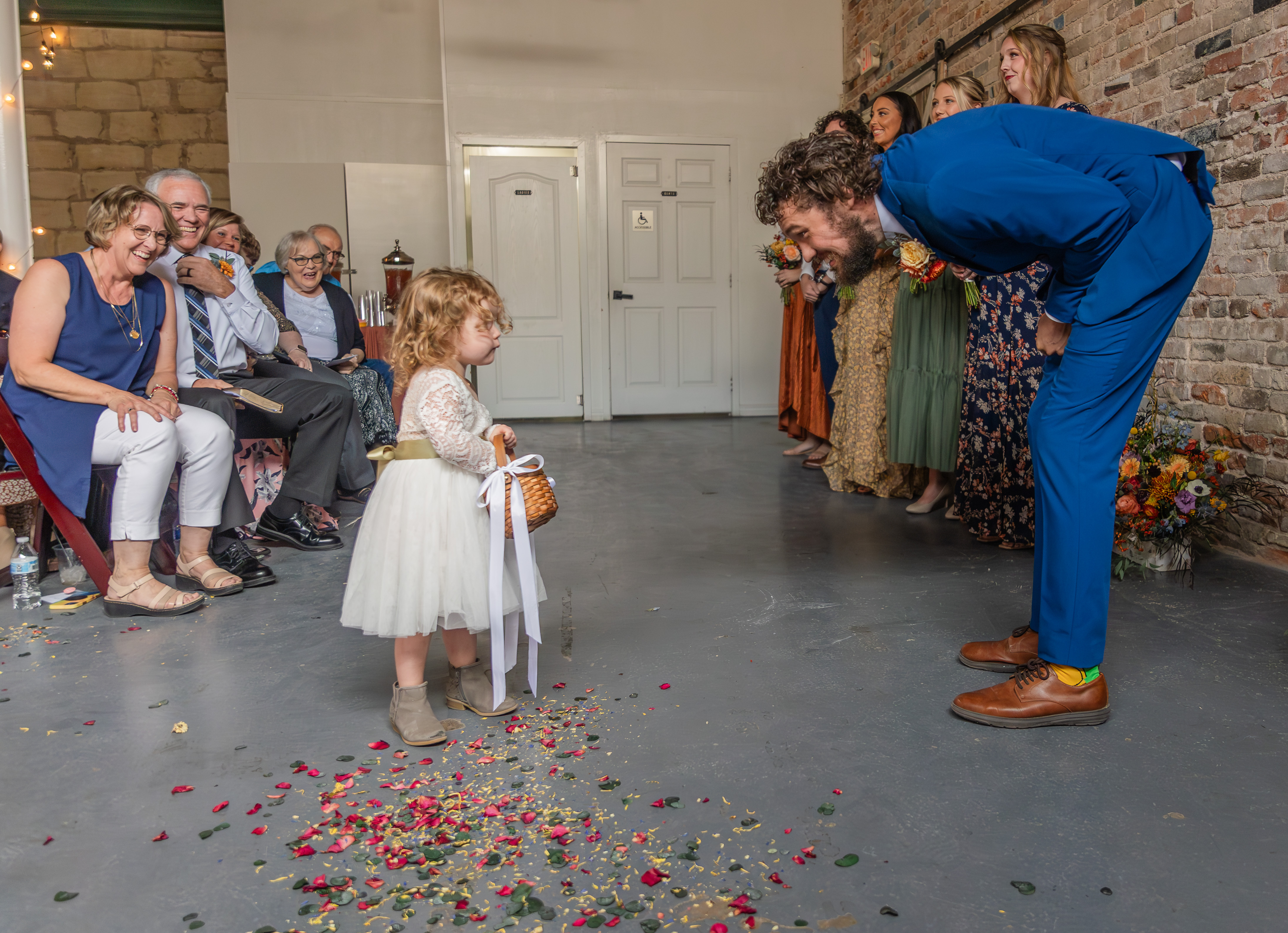
14. Wedding traditions → Only the traditions you actually want
Cake cutting. Favors. Bouquet toss. Printed programs. Matching wedding-party outfits. Elaborate invitations.
None of these things are inherently bad.
But none of them are automatically required either.
Before paying for a tradition, ask:
Would we choose this if nobody expected us to?
If the answer is no, that money may belong somewhere else.
15. Cutting everything → Choose your priorities first
This is the most important swap of all.
Instead of beginning wedding planning by asking:
“Where can we cut?”
Start by choosing the two or three things that matter most to you.
Maybe it’s photography.
Maybe it’s food.
Maybe you want everyone you love in the room.
Maybe you’ve always imagined getting married in one particular place.
Your priorities don’t need to match anyone else’s.
Once you know what they are, every other decision becomes easier:
If I spend less here, what does that make possible there?
That’s wedding budgeting.
Not making everything cheaper.
Making your money reflect what matters to you.
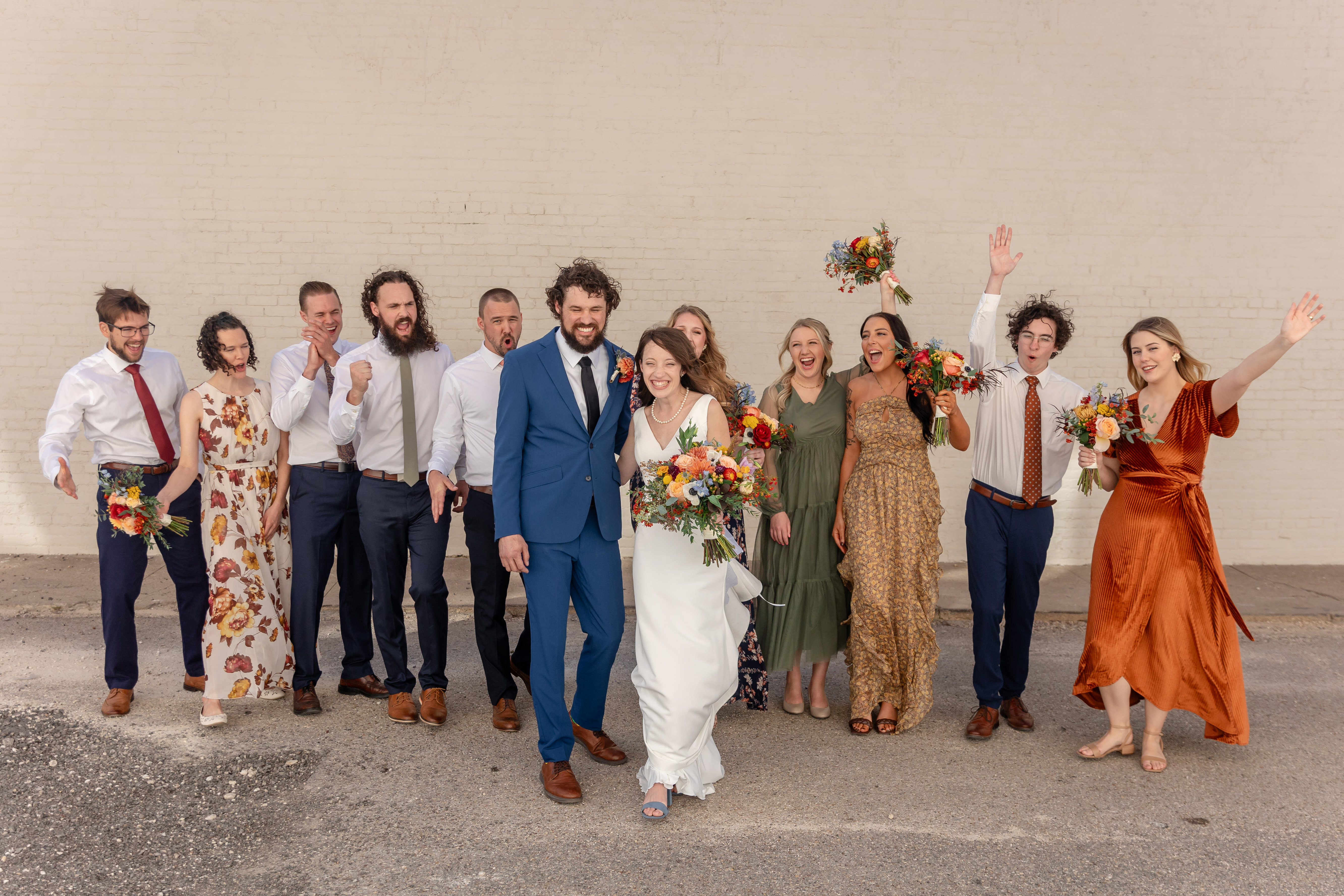
Different doesn’t mean less beautiful.
A budget-friendly wedding doesn’t have to look like a watered-down version of a more expensive one.
It can be its own thing.
Maybe you serve pasta from the restaurant you love instead of a plated wedding dinner. Maybe your bridesmaids make bouquets together. Maybe your ceremony happens in a $100 church instead of a $1,800 venue.
Those decisions aren't necessarily compromises.
They’re choices.
And when you stop planning around everything you're supposed to have, you create room for the wedding you actually want.
Ready to start making those decisions?
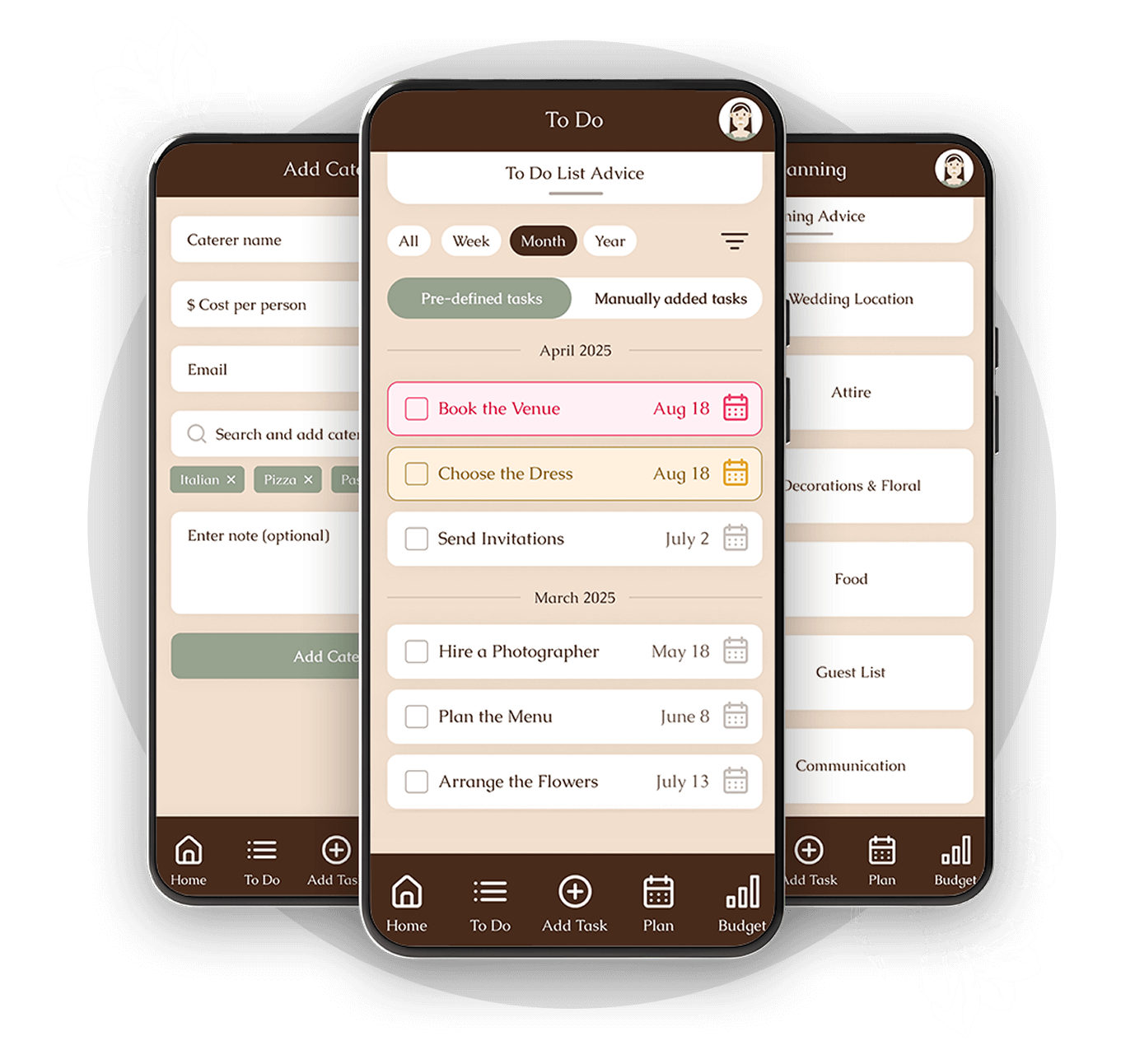
Bridal Your Way was built specifically to help couples plan around real budgets.
Use the app to work through your budget, priorities, to-do list, and major planning decisions—with practical ideas for doing things differently when the traditional option doesn't fit.
Download the Bridal Your Way app and start planning your wedding, your way.
Your budget. Your priorities. Your wedding. Your way.