
A Flexible Wedding Planning Timeline for Modern Couples
Engagement used to come with a silent rule. You had a year, sometimes more, to plan every detail. That model still dominates most advice online. But many couples no longer follow that path. You might want a smaller gathering, a shorter engagement, or a celebration that fits your real life, not tradition.
A rigid structure does not always help. What you need is a flexible wedding planning timeline that works around your priorities, budget, and energy. When you build it with intention, planning feels clear instead of overwhelming.
Rethinking the Traditional Wedding Planning Timeline
Traditional timelines were built for large, vendor-heavy weddings. They assume you will book a banquet hall a year in advance, hire multiple vendors, and manage a long guest list. That approach works for some couples. It does not work for everyone.
Why Long Timelines Don’t Fit Every Couple
A 12-18 month plan often stretches decisions that could happen sooner. It fills months with tasks that may not apply to your style. You might not need custom décor from five suppliers. You may not want a 250-guest event.
Long engagements can also increase spending. Extra time sometimes leads to extra add-ons. You keep browsing, comparing, upgrading. Small choices grow into larger expenses.
If you prefer a simple event or a short engagement, that structure feels heavy. It creates pressure instead of clarity.
The Rise of Shorter and Non-Traditional Engagements
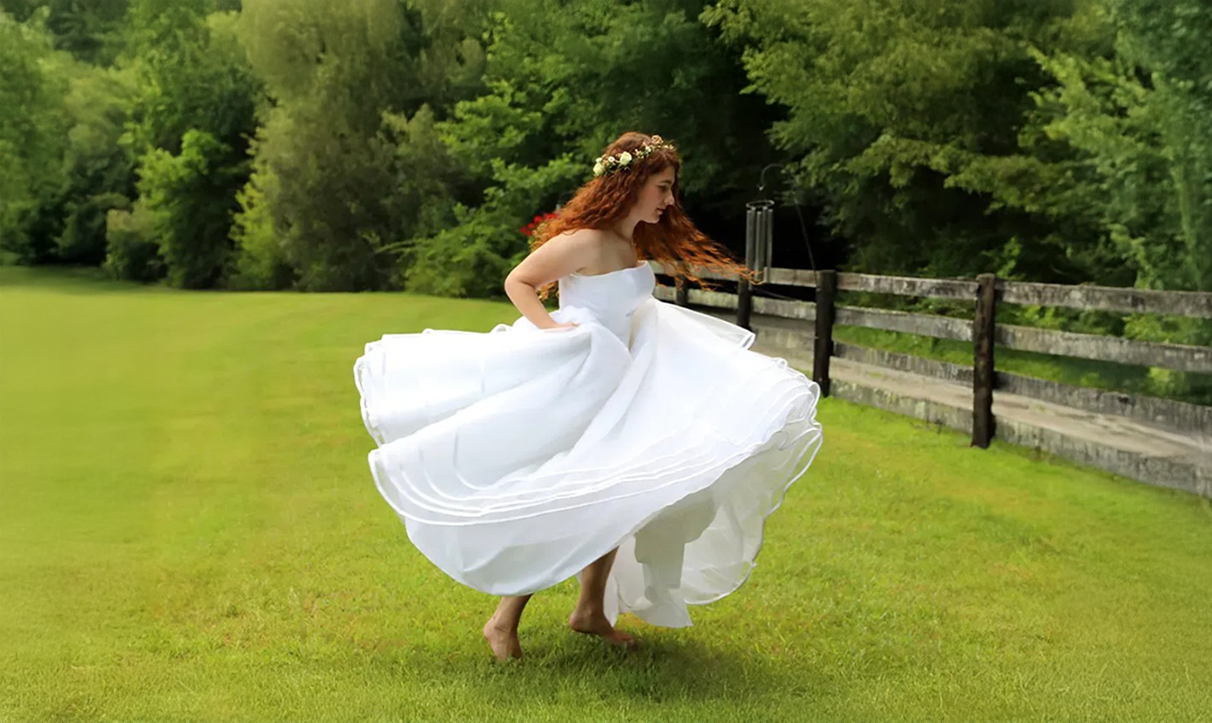
More couples now choose intimate weddings. Some plan in three to six months. Others host backyard celebrations or book small community spaces. They focus on connection instead of production.
You may also balance work, family, or relocation. Life does not pause because you got engaged. A flexible approach respects that reality.
Shorter timelines also push you to decide faster. You spend less time second-guessing. You prioritize what matters and let go of the rest.
What Flexibility Really Means
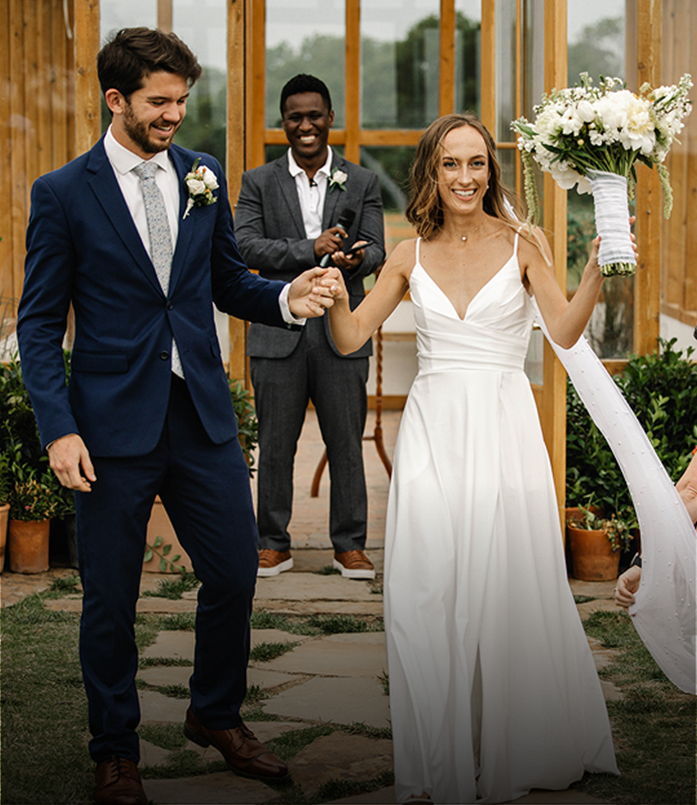
Flexibility does not mean rushing. It means planning with purpose. You organize tasks based on importance, not tradition.
A flexible wedding planning timeline starts with your date and works backward. It accounts for your guest count, your budget, and how hands-on you want to be. It allows adjustments. If a vendor is unavailable, you pivot. If your budget shifts, you revise categories.
Instead of following a preset calendar, you create one that matches your situation.
How to Build a Timeline That Fits Your Real Life
A strong plan begins with clarity. You need to know what matters before you start booking anything. Once you define that, everything else moves more smoothly.
Step 1: Define Your Non-Negotiables
Start with your top priorities. Do you care most about photography, food, or location? Do you want a small guest list or a large celebration? Set a firm budget ceiling early.
Write these down. Keep them visible. When new ideas appear, compare them to your list. If they do not align, let them go.
You should also decide how much time you want to invest personally. Some couples enjoy DIY projects. Others prefer minimal hands-on work. Your timeline depends on this choice.
Step 2: Secure the Core Elements Early
Once you confirm your date, book the essentials. Location comes first. Many other decisions depend on it.
Next, book your officiant and key vendors, like a photographer and restaurant. If your location does not include rentals, arrange tables, chairs, and linens early.
Legal paperwork also deserves attention. Research requirements in your area and mark deadlines clearly.
When you secure these core pieces, your structure becomes stable. The rest of your timeline forms around them.
Step 3: Combine and Simplify Where Possible
You can compress tasks without lowering quality. For example, choose digital invitations if time is short. They reduce printing and mailing delays.
Select décor that complements your location. A garden space may require minimal decoration. A well-designed hall may need only personal touches.
You can also limit menu options. A focused selection simplifies planning and lowers costs.
When you design your wedding planning timeline with efficiency in mind, you remove unnecessary steps. You still create a meaningful event, but with fewer moving parts.
Step 4: Leave Space for Breathing Room
Do not schedule major decisions back-to-back. Spread them out. If you finalize your location this week, wait before selecting every décor detail.
Build buffer weeks into your calendar. Vendors may take longer to respond. Alterations might need adjustments.
In the final month, focus on confirmations. Call vendors, review contracts, and check delivery times. Avoid starting new creative projects at this stage.
A wedding planning timeline should support your energy. It should not drain it.
How We Help Couples Plan With Confidence
We built Bridal Your Way because we saw how much pressure couples face. Overspending and overcomplicating have become common. We believe planning should protect your finances, time, and peace of mind.
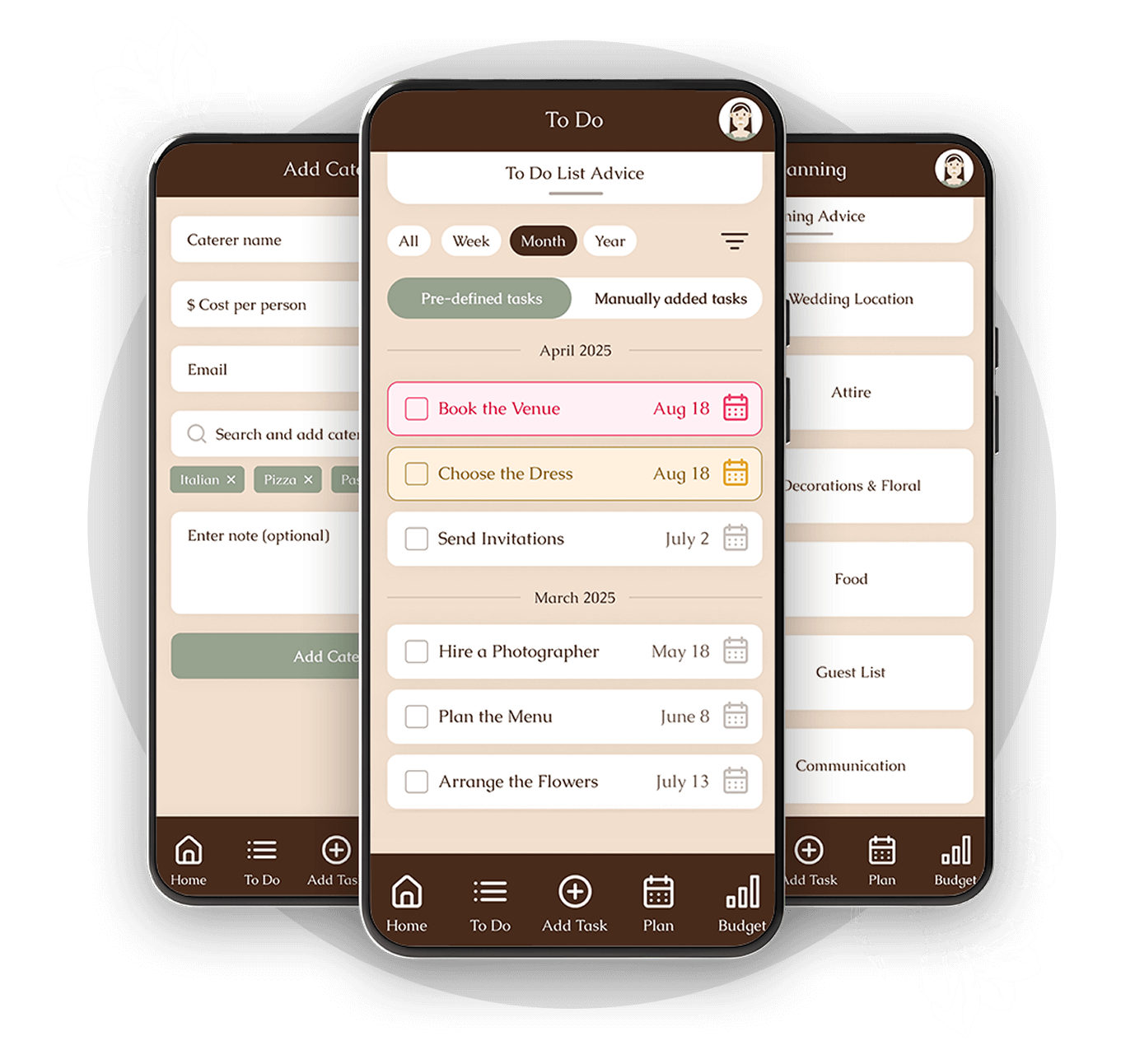
Our app gives you real-time cost estimates. You can allocate your budget realistically across categories instead of guessing. When numbers stay visible, decisions become clearer. We also provide detailed checklists filled with DIY and budget-friendly ideas. You can customize your celebration without feeling boxed into expensive trends.
You build your plan around your unique schedule. Some couples plan in under three months. Others prefer a bit more time. We adjust your to-dos based on your date, so your structure fits your reality.
You also gain access to a library of DIY tutorials for decorations, invitations, and meals. These resources help you stay organized and reduce last-minute chaos. We do not push a fixed model. We support a flexible wedding planning timeline that adapts to you. Your celebration should reflect your priorities, not outside pressure.
Conclusion
Modern weddings reflect modern lives. You might plan quickly, host a smaller gathering, or skip traditions that do not resonate with you. That choice does not reduce the value of your day.
When you create a timeline built on clarity and intention, you remove unnecessary weight. You focus on meaningful decisions instead of endless options. Planning becomes steady, even enjoyable at times.
A flexible approach respects your budget, your schedule, and your limits. In the end, the timeline serves you, not the other way around.
FAQs
How long should my wedding planning timeline be?
The length depends on your guest count, location availability, and how detailed you want the event to be. Some couples plan in a year. Others complete everything in a few months. Focus on your priorities instead of comparing timelines.
Can I plan a wedding in three months?
Yes, if you secure your location and key vendors quickly. Keep décor simple and limit optional extras. Clear decisions help you move faster without feeling rushed.
What should I book first?
Start with your location. Then confirm your officiant, photographer, and restaurant. These vendors shape your schedule and budget.
How do I avoid overspending on a shorter timeline?
Set a budget ceiling early. Track expenses as you go. Choose locations or vendors that include multiple services and avoid adding last-minute upgrades.