
Common Mistakes Brides Make When Planning Without Help
Planning a wedding alone can feel empowering at first. Full control sits in your hands. Every decision reflects your taste, your pace, your priorities. Then the list grows, emails pile up, costs shift, and small choices begin to carry more weight than expected. Many brides step into solo wedding planning with confidence but without a clear structure, and that gap often leads to avoidable stress.
This blog breaks down the most common mistakes brides make when planning without support and explains how to stay steady, focused, and in control throughout the process.
The Most Common Mistakes Brides Make When Planning Alone
Handling every detail independently requires more than motivation. It requires clarity early on. Without it, small oversights expand quickly.
Mistake 1: Starting With Inspiration Instead of a Budget
Scrolling through décor ideas feels exciting. Saving floral arrangements and location photos creates momentum. The problem begins when numbers enter the picture too late.
Design choices influence spending. If no budget exists at the start, expectations rise without limits. Once real quotes arrive, disappointment follows. A wedding plan should begin with financial boundaries. When spending limits shape decisions from day one, fewer compromises appear later.
Mistake 2: Trying to Do Everything Yourself
Independence does not mean handling every task alone. Many brides underestimate how long DIY projects take. Cutting ribbon, assembling favors, printing signage. Hours disappear quickly.
Energy also drops. Late-night crafting sessions lead to fatigue, which affects other decisions. When exhaustion builds, small problems feel bigger than they are.
Smart planning includes selective effort. Focus energy on projects that matter most. Let go of tasks that consume time without adding meaning.
Mistake 3: Following Generic Checklists
Online checklists often include every possible tradition. Engagement party, welcome bags, elaborate programs, multiple dress changes. Not every wedding requires these elements.
Generic lists create pressure. Tasks appear mandatory even when they do not align with your vision. Extra reminders add noise instead of clarity.
These patterns show up often in solo wedding planning because there is no external filter. Without guidance, every suggestion seems important.
Mistake 4: Ignoring Timeline Realities
Time moves faster than expected. Vendor availability shrinks, delivery windows overlap, and major tasks get stacked into the same week. There are also late bookings, increasing costs, and rush fees appearing
Shorter engagements demand priority-based scheduling. Even longer timelines require awareness of how long alterations, rentals, and confirmations actually take.
Mistake 5: Making Decisions Without Clear Priorities
Changing themes midway slows progress. Adding upgrades after signing contracts stretches the budget. Outside opinions create doubt.
When priorities remain unclear, every new idea feels tempting. Consistency disappears.
A strong plan rests on defined values. Without that foundation, decision-making becomes reactive instead of intentional.
How to Avoid These Mistakes and Stay in Control
Structure creates freedom. A simple framework prevents most of these problems before they begin.
Step 1: Set the Stage with Numbers First
Budget, timeline, and guest list form the base of your plan. Start there. Divide your total budget into categories such as location, food, attire, and décor. Assign realistic amounts before browsing vendors.
At Bridal Your Way, we encourage couples to begin with these fundamentals. Inside our app, real-time cost estimates show how much each category might require. Seeing those numbers early helps you make grounded choices instead of guesses.
Clarity reduces financial surprises. Fewer surprises mean steadier progress.
Step 2: Pick What Truly Matters
List three priorities, such as photography, food, and atmosphere. Choose what carries the most weight for you and your partner.
Once those priorities stand clear, remove distractions. Extras that do not support those goals can be skipped.
Our philosophy centers on this idea. Ditch the extras. Plan only what matters to you. That mindset keeps attention where it belongs and prevents unnecessary spending.
Strong focus limits second-guessing. Fewer comparisons mean smoother decisions.
Step 3: Build a Personalized Plan
Every wedding follows a different pace. Some celebrations happen within months. Others stretch longer. A single template does not fit every situation.
Tasks should align with your actual date. Large bookings come first. Smaller details follow. Space major decisions apart to avoid overload.
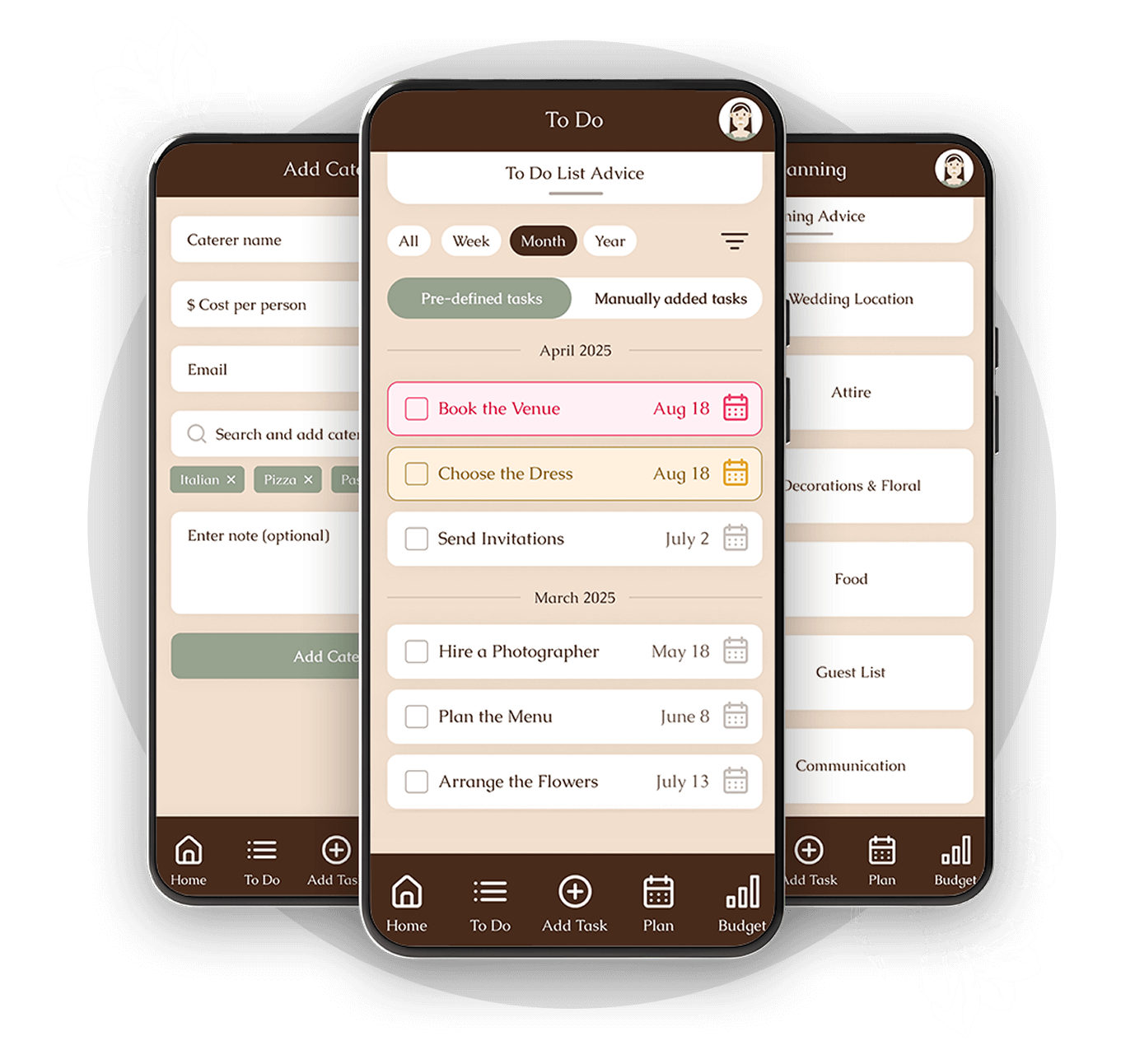
We designed our planning tools to build custom to-dos around your unique timeline. Bite-sized tasks appear in manageable steps, helping you stay calm and organized. When a roadmap reflects your real situation, solo wedding planning feels manageable instead of scattered.
Step 4: Use Support Without Giving Up Control
Planning independently does not require isolation. Delegating small tasks can lighten the load. Assign a friend to track RSVPs. Ask a family member to confirm vendor arrival times. Support can also come from structured tools. Organized checklists, budget trackers, and clear timelines replace guesswork.
Confidence grows when systems support your effort. With the right framework in place, solo wedding planning becomes steady and purposeful rather than overwhelming.
Protecting Your Time, Budget, and Peace of Mind

Stress often comes from uncertainty. When numbers shift or tasks overlap unexpectedly, frustration builds. Clear plans reduce that friction. Financial awareness protects your budget. Tracking spending in real time prevents last-minute shocks. Timely vendor bookings prevent rush fees.
Emotional balance matters as much as logistics. Constant second-guessing drains energy. Clear priorities anchor decisions. When doubts appear, return to your original list.
At Bridal Your Way, we built our platform to lighten the load and keep the magic. Planning should not compromise your finances, time, or sanity. Custom timelines, realistic cost estimates, and practical checklists help you move forward without chaos.
Conclusion
Planning alone carries responsibility, but it also offers clarity. Decisions reflect your values without committee debates. The process can feel deeply personal when guided by structure.
A wedding marks the beginning of a new chapter. Planning it on your own can feel empowering when supported by clear systems and intentional choices. With preparation and perspective, the journey remains meaningful from start to finish.
FAQs
Is planning a wedding alone too stressful?
Stress depends on preparation. Clear budgets, defined priorities, and organized timelines reduce overwhelm. Structured tools make independent planning more manageable.
How early should major vendors be booked?
Location, restaurant, and photography should be secured as soon as the date is confirmed. Early booking protects availability and pricing.
How can spending stay under control while planning alone?
Track expenses in real time. Break the total budget into categories. Review numbers weekly to avoid surprises.
Can a wedding be planned within three months without help?
Yes, if priorities remain clear and tasks follow a realistic sequence. Focus on essential bookings first, simplify décor, and use structured timelines to stay organized.