
Solo Wedding Planning Tips That Keep You Focused And At Ease
You don’t need a wedding planner, but you do need a plan. Here is your step-by-step guide to being your own best coordinator.
Planning a wedding without professional help can feel like you are walking through a loud room with too many voices and no clear path. It is normal to feel pulled in every direction, especially when you are trying to protect your budget and your peace at the same time. The truth is that solo wedding planning does not have to drain your energy.

Start With What You Truly Want
When you plan without professional help, your mind can drift into what others expect from you. This is why the first step is listing what you honestly care about. Write down what makes your wedding day meaningful. Keep this list short so you do not overwhelm yourself.
Some people care about personal vows. Others want a quiet moment in a small location. Some want simple flowers or a meal at a local restaurant. There is no wrong answer. This list will guide every choice you make and help you avoid stress later.
Protect Your Budget Early
Money is often the loudest worry during solo wedding planning. Costs rise fast if you do not set limits early. Break your budget into small parts so you do not feel lost.
Think through these questions:
Which elements matter most to you
Where can you use DIY
Can you pick a location that fits your comfort level?
Do you want a simple meal from a restaurant instead of a large service
Keeping your spending clear helps you breathe more easily. It also keeps you from drifting into things you don’t feel strongly about.
Choose a Location That Supports Your Needs
When selecting a venue for a self-planned wedding, you must prioritize logistics and transparent pricing to avoid budget blowouts and stress. Crucially, look past a venue's low rental fee and calculate the full cost of a "blank slate" space, factoring in necessary rentals for items like tables, chairs, and lighting. Always confirm if the price quotes for catering or bar packages include the "++" (tax and service charges), which can add up to 30% to the bill. To keep costs down, prioritize venues with an Open Vendor Policy, which allows you the flexibility to source budget-friendly caterers or, ideally, supply your own alcohol, which offers significant savings.
For a DIY wedding, time and infrastructure are key. Negotiate the longest possible access window—ideally full-day or weekend access—as a standard two-hour setup time is insufficient for complex decor and personal touches. If opting for an outdoor or non-traditional space, evaluate the boring but essential logistics yourself: verify that the electrical system can handle all your needs (lighting, catering, music) without blowing a fuse, and ensure there are adequate restroom facilities for your guest count. Finally, always have an acceptable rain plan, as your indoor backup space will determine the quality of your event if the weather turns.
Build a Plan You Can Handle Alone
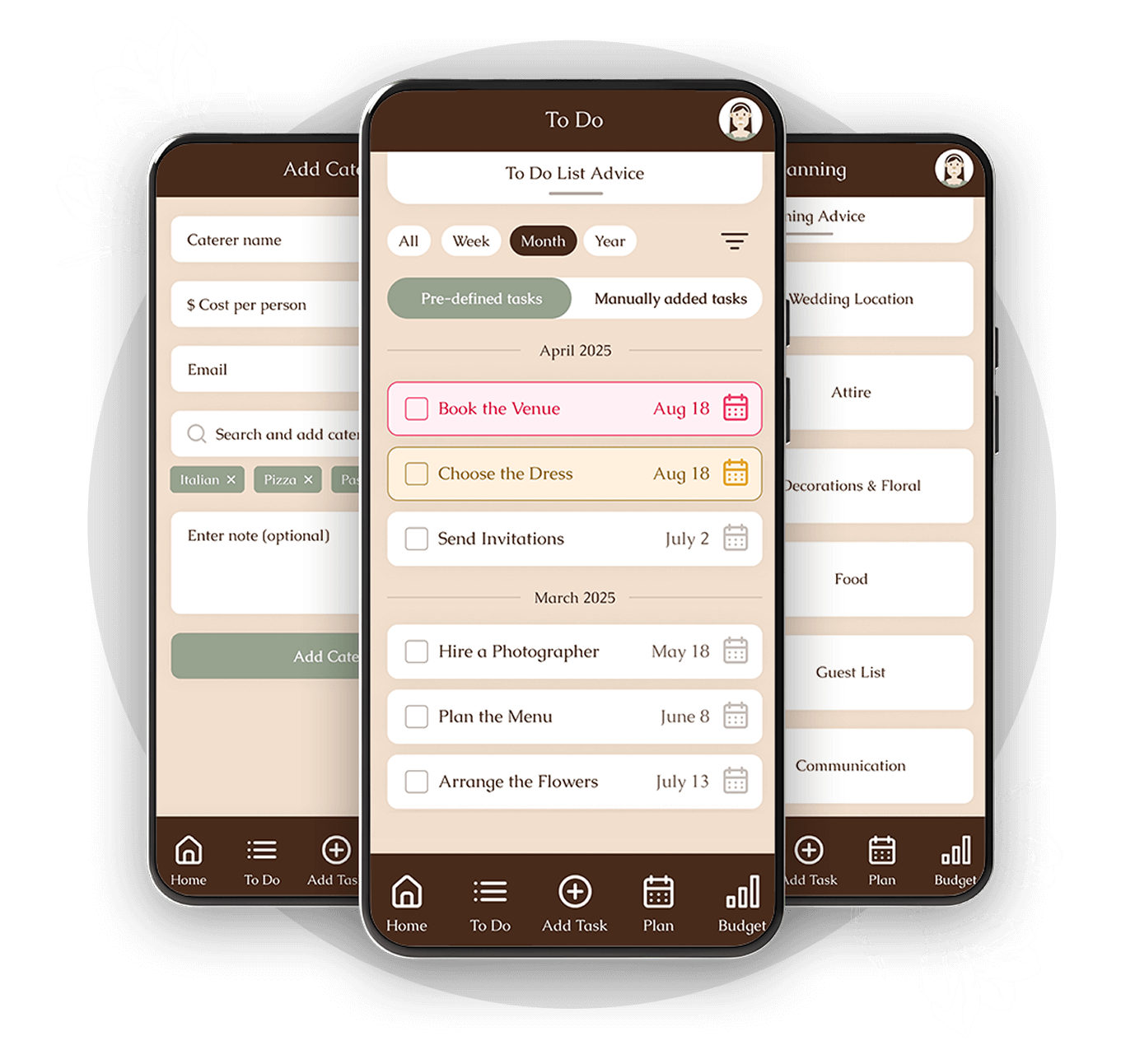
Solo wedding planning means you manage tasks yourself, so your plan must be realistic. Break your steps into small weekly actions that feel doable.
A useful approach is:
One task for research
One task for booking
One task for creation or DIY
One task for follow-up
This pattern keeps you steady without pushing you into long, exhausting sessions.
Keep The Guest List Manageable
Some people think a long guest list brings more happiness. But when you plan alone, a smaller group creates more freedom and a deeper connection. You do not need to invite everyone you have ever met. This doesn’t mean you have to have a small wedding. You will have to decide what is manageable for you.
Think about people who bring comfort, not pressure. A manageable list means easier planning, lower costs, and more time to enjoy each face in the room.
The Master Timeline
A planner usually produces a 10-page document detailing every minute of the day. You need to create a simplified version of this.
Work Backward:
End Time: The music stops at 10:00 PM.
Dinner: Needs 1.5 to 2 hours.
Sunset: Check the sunset time for your date! Slot your "Golden Hour" photos here.
Ceremony: usually 30 minutes.
The Buffer Rule: Wherever you think something takes 15 minutes, write down 30.
Hair and Makeup always run late.
Family photos always take longer than expected because Uncle Bob wanders off to the bar.
Moving guests from ceremony to reception takes 20 minutes, not 5.
The "Go Box" (The Night Before)
Since you don't have a planner bringing an emergency kit, you must build your own. Pack a plastic tote bin with:
The Paperwork: Printed copies of any vendor contracts and the timeline.
The Checks: Envelopes with tips/final payments for vendors.
The Emergency Gear: Scissors, tape (duct, scotch, and double-sided), safety pins, stain remover pen, ibuprofen, and a phone charger.
The Decor: The guest book, pens, toasting flutes, and any signage.
Plan Your Meal With Ease in Mind
Food is important, but it does not have to be complicated. When you are planning alone, picking a local restaurant or a simple meal keeps the process smooth. You do not need ten dishes or endless choices. Think about taste and comfort instead of volume.
Meals that work well for solo planners:
One main dish and one side
Shared platters from a restaurant
Buffet-style home-cooked plates
Small dessert table instead of a large cake
The aim is to feed people with warmth, not overwhelm your budget or time.
The Curveball Strategy (Expect the Unexpected)
Here is the hard truth: Something will go wrong. It might be minor (the napkins are the wrong shade of blue) or major (the microphone dies during speeches). Without a planner to shield you, you might notice these things. Here is how to handle them without melting down.
1. The "Rule of Three"
Go into the day expecting three things to go wrong. Mentally prepare for it. When the first thing happens (e.g., it starts to drizzle), tell yourself: "Okay, that’s one. Only two to go." This psychological trick stops you from striving for perfection and helps you roll with the punches.
2. The "Still Married?" Test
When a crisis pops up, ask yourself: "Does this prevent us from being married by the end of the day?"
The cake hasn't arrived? You’re still getting married. Grab a prop for the photo op.
The officiant is stuck in traffic? Okay, that prevents the ceremony. That is a crisis worth all hands on deck. Everything else is just details.
3. Delegate, Don't Fix
If you see a problem, you do not have to fix it yourself. The truth is that most people are happy to help and will gladly handle small tasks if asked directly. Even more important to remember is that if the issue is small enough, it may not even be worth the effort to “fix”. If the food is a little cold, or the flowers are slightly wilted – people will still enjoy the day and be there to support you.
Final Thoughts: The Mindset Shift
The morning of your wedding, you must officially "fire" yourself as the planner.
You have done the work. You sent the emails. You built the timeline. Once you wake up on your wedding day, you are no longer the coordinator. If the flowers are the wrong shade of pink, or it rains, or the salad comes out late—let it go.
Trust your prep work, and focus on the person standing at the end of the aisle. You’ve earned it.