

The Emotional Side of Planning Your Wedding Without a Team
Wedding planning often appears joyful from the outside. People talk about dresses, locations, and decorations, yet the quieter emotional side rarely enters the conversation.
Many couples end up managing most decisions on their own, without a planner or a large support system guiding each step. Independence can feel empowering at first, but the emotional weight slowly builds as choices multiply.
This blog explores the emotional reality of solo wedding planning, why the experience sometimes feels heavier than expected, and how thoughtful structure can help couples stay calm while shaping a celebration that still feels personal.
The Quiet Emotional Weight Behind Planning Alone
Planning a wedding involves more than logistics. Behind every task sits a decision, and behind every decision sits a bit of pressure. Emotional fatigue does not arrive all at once. It builds slowly as tasks expand.
Decision Fatigue Happens Faster Than Expected
A wedding requires hundreds of choices. Some feel simple, like selecting table cards or ceremony music. Others involve money, schedules, and negotiations with vendors.
Handling those choices without professional guidance creates a steady stream of decisions that rarely pause. A location leads to restaurant options, which leads to menu discussions. Menu discussions lead to seating arrangements and guest preferences.
Energy begins to fade after weeks of constant evaluation. Small decisions start feeling heavier than they should. A couple might spend hours comparing invitation styles or decoration options simply because the mind feels overloaded.
That quiet exhaustion appears frequently during solo wedding planning, even among couples who originally felt confident about managing everything themselves.
Social Expectations Add Invisible Pressure
Friends and relatives often mean well when they offer advice. Suggestions about flowers, traditions, and guest etiquette appear during conversations, phone calls, and family gatherings.
Those suggestions sometimes create subtle pressure. Weddings carry cultural expectations, and many couples worry about disappointing someone along the way.
Social media intensifies the effect. Perfectly styled weddings appear everywhere online, filled with elaborate décor and large celebrations. Couples planning their own event may feel responsible for matching those images.
Without a neutral guide helping filter ideas, expectations begin to stack up. The celebration slowly transforms into something larger and more complicated than originally planned.
Responsibility Can Feel Personal
Mistakes feel heavier when all responsibility stays within the couple’s control. A late vendor response, an unexpected cost, or a schedule conflict can quickly turn into self-doubt.
Many couples assume every problem reflects a poor decision they made earlier. That mindset adds emotional strain, even though planning challenges appear in almost every wedding.
Learning to separate normal planning hurdles from personal mistakes helps reduce that burden. A wedding plan rarely unfolds perfectly, and small adjustments happen along the way.
Why Traditional Wedding Checklists Sometimes Make Stress Worse
Most couples turn to online guides when planning begins. Wedding blogs, downloadable checklists, and timeline templates promise structure.
Those resources can help, yet they often introduce another layer of stress.
Generic Checklists
Many checklists follow a fixed template. They include dozens of tasks that assume every couple wants the same traditions, decorations, and formalities.
Couples planning a smaller event or a short engagement may find those lists overwhelming. Tasks appear for elements that never interested them in the first place.
A long list creates the feeling that everything must happen for the wedding to feel complete. Instead of helping couples stay focused, the list expands the workload.
Too Many Tasks Dilute What Actually Matters
Lengthy planning guides treat every item as equally important. Invitations, décor trends, party favors, and ceremony details all appear on the same level.
Couples often spend hours working through those smaller details while bigger priorities receive less attention. Budget planning, timeline structure, and vendor coordination sometimes move to the background.
The process becomes about finishing tasks rather than shaping a celebration that reflects the relationship itself.
Structure Can Reduce Mental Overload
A more focused planning system can shift the experience entirely. Some modern tools approach weddings differently by allowing couples to build their own priorities first.
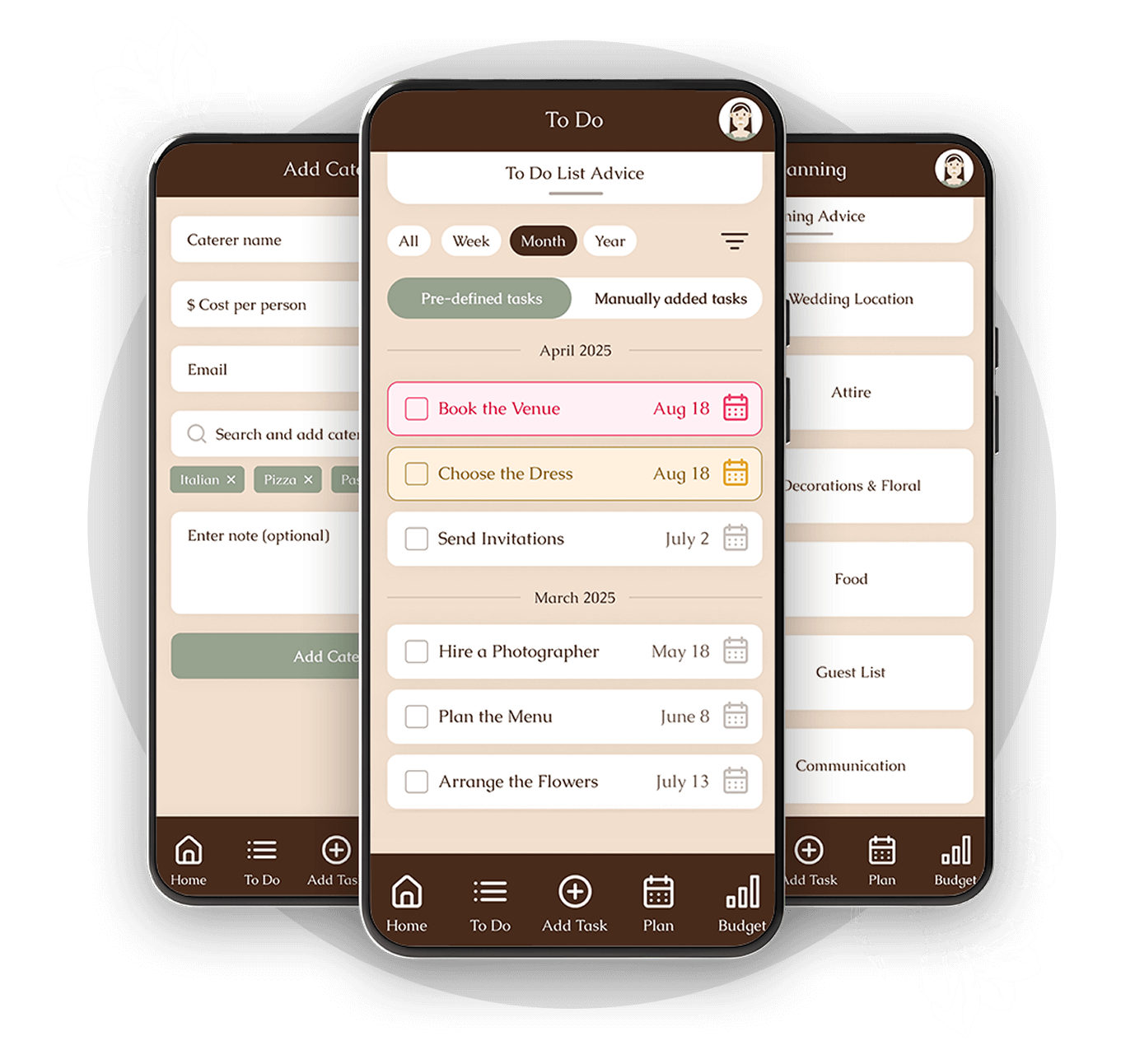
Platforms like Bridal Your Way follow that idea. Instead of overwhelming users with endless reminders, the app begins with three key areas: budget, timeline, and guest list. Those foundations guide everything that follows.
Real-time cost estimates help couples see how spending is distributed across different categories. Bite-sized tasks break planning into manageable steps, allowing progress without the feeling of constant pressure.
That structure removes much of the confusion couples face during solo wedding planning, especially when time feels limited or budgets remain tight.
Conclusion
At Bridal Your Way, the goal centers on helping couples organize their wedding around personal priorities rather than overwhelming them with unnecessary tasks. The app gathers budgets, timelines, guest lists, and vendor details into one simple system.
Custom to-dos adapt to each couple’s schedule, including celebrations planned within only a few months. A clear structure helps couples stay organized while leaving space to enjoy the experience.
For many couples, that clarity changes the emotional tone of solo wedding planning. Instead of constant stress, planning begins to feel creative and manageable again.
Couples looking for a more organized and less stressful approach can explore tools like the Bridal Your Way app, which helps bring budgets, timelines, and planning steps together in one clear place.
FAQs
Is planning a wedding alone very stressful?
Stress often appears when couples manage every task without structure. A clear budget, organized timeline, and focused task list usually reduce pressure significantly.
How can couples stay organized while planning on their own?
Many couples begin by defining their guest list, timeline, and spending limits. Those three elements guide nearly every other decision throughout the process.
Do couples need a professional wedding planner?
Not always. Many weddings come together successfully through personal planning, help from friends or family, and digital planning tools that keep information organized.
What tools help simplify wedding planning?
Planning apps can bring multiple details into one place. Budget tracking, guest list management, and timeline reminders help couples stay organized. Platforms like Bridal Your Way also provide cost estimates, structured planning steps, and helpful ideas for decorations or DIY elements.