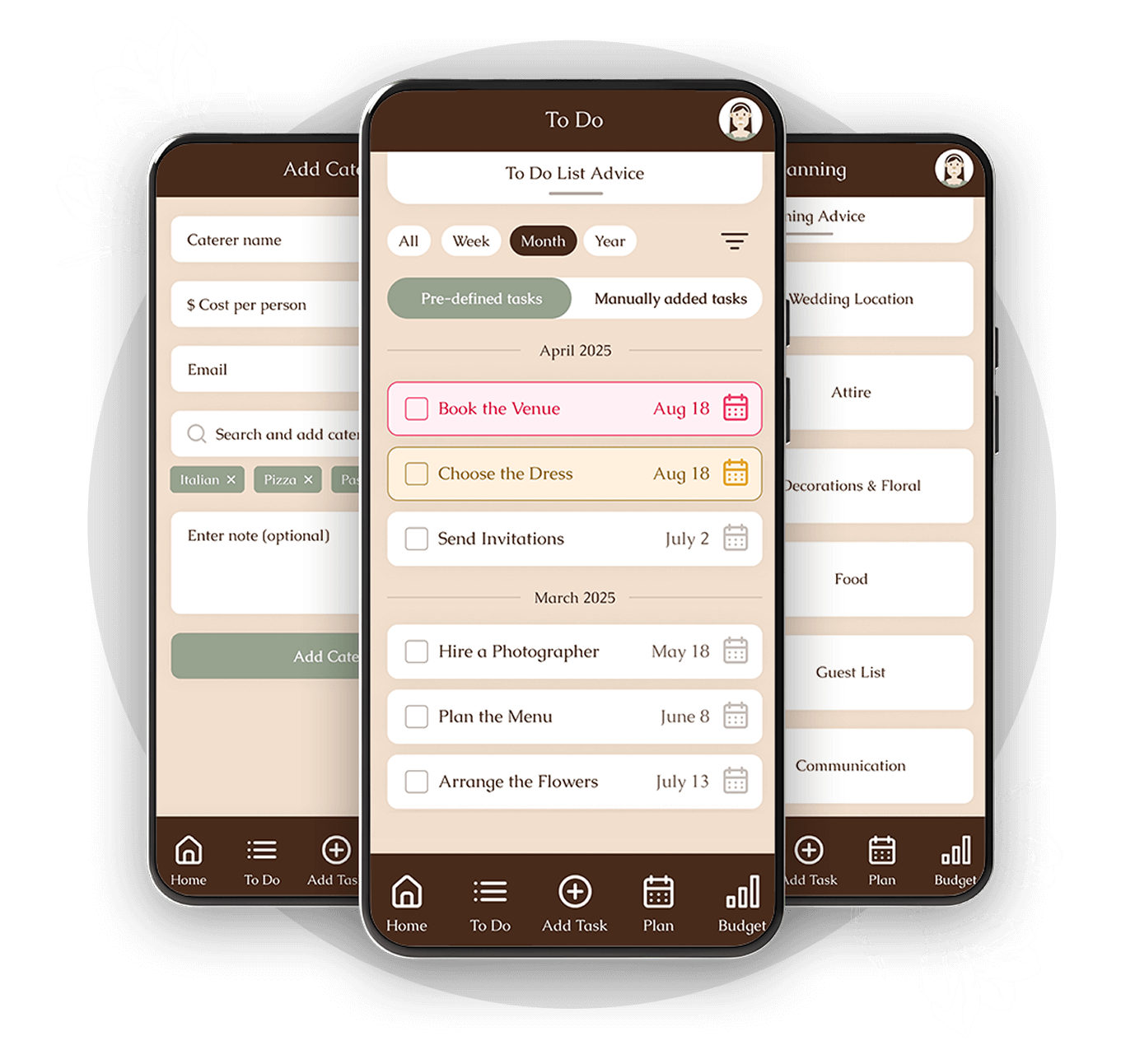


Wedding Planning Timeline Mistakes That Cause Last-Minute Stress
Planning a wedding in three to four months can be exciting, but it can also feel rushed when
tasks are not placed in the right order. Many couples start with big ideas, then suddenly
realize that small details have been left too late.
A clear wedding planning timeline helps you see what matters first, what can wait, and
what does not need to be included at all. When your plan matches your budget, time, and
priorities, the process feels calmer, lighter, and easier to manage.
Starting Without Clear Priorities
One of the biggest mistakes couples make is trying to plan everything at once. When every
task feels urgent, it becomes harder to know where to begin. This can lead to wasted time,
rushed spending, and stress that builds quickly.
Before choosing decorations, outfits, or menus, take time to decide what matters most to
you as a couple. Some couples care most about food, while others care more about
photography, music, or a simple family gathering.
Your first step should be to list your top priorities. This keeps your planning focused and
helps you avoid spending energy on things that do not truly matter to your day.
Using a Long Timeline for a Short Planning Window
A traditional wedding checklist may not work well when your wedding is only three or four
months away. Many standard lists are built for couples with a year or more to plan. If you
use that kind of list, you may see tasks that are not realistic for your schedule.
A shorter planning window needs a simpler structure. Instead of following every possible
wedding task, you need a focused plan that fits the time you actually have.
For a 3-4 month wedding plan, your timeline should focus on:
Booking the most important services early
Setting a realistic budget from the start
Choosing only the details you can manage
Completing small tasks in steady steps
Avoiding extras that create pressure
This is where Bridal Your Way can help couples stay focused on what is realistic, useful,
and meaningful.
Waiting Too Long to Set the Budget
Money decisions can become stressful when they are left for later. If you start booking or
buying before setting a budget, it becomes easy to overspend without noticing.
A budget should be one of the first tasks in your plan. It helps you decide what you can
afford and where your money should go. It also makes it easier to say no to things that do
not fit your plan.
A good budget should include main categories such as location, food, clothing, decorations,
invitations, and small personal touches. It should also leave space for unexpected costs,
because last-minute expenses can happen even with simple weddings.
Booking Key Details Too Late Some wedding tasks need attention early, even when the celebration is small. If you delay
key bookings, you may have fewer choices and more pressure close to the wedding day.
In a short planning window, the first month is very important. This is the time to make
decisions that affect the rest of your plan.
Important early tasks include:
● Confirming the wedding date
● Choosing the ceremony and celebration location
● Deciding the guest count
● Arranging food or meal plans
● Choosing outfits and basic styling
● Planning photography or memory-keeping details
When these decisions are made early, the rest of the planning becomes easier to handle.
Not Breaking Tasks Into Smaller Steps
A large task can feel overwhelming when it is written as one item. For example, “plan
decorations” sounds simple, but it may include choosing a theme, buying supplies, making
items, arranging setup, and deciding who will handle them on the day.
Breaking large tasks into smaller steps makes the process feel less stressful. It also helps
you see progress each week.
Instead of writing one large task, split it into smaller actions:
Choose decoration style
Set a decoration budget
List what you already have
Decide what to buy or make
Assign setup help
Pack items before the wedding week
Small steps are easier to complete, especially when you are planning on a limited timeline.
Ignoring What Can Be Removed
Many couples feel pressure to include every wedding detail they see online or hear about
from others. This can quickly turn a simple plan into a stressful one. Not every wedding
needs favors, printed menus, large floral setups, or extra events.
A strong plan is not about doing everything. It is about doing what fits your life, budget, and
energy.
Common Extra Task Simple Question to Ask
Wedding favors: Will guests truly value this?
Extra decorations: Does this improve the day meaningfully?
Printed items: Can this be handled more simply?
Multiple outfit changes: Is this worth the added cost and planning?
Extra pre-wedding events: Do we have the time and budget for this?
Removing unnecessary tasks can make your plan feel much lighter.
Leaving DIY Projects Until the End
DIY wedding ideas can save money, but they can also create stress when they are started
too late. Handmade invitations, decorations, table items, and food plans take time. They
also need space for mistakes, changes, and delays.
If you want DIY details, choose them early and keep them simple. It is better to complete a
few meaningful projects than to begin many and feel rushed.
For a short timeline, only choose DIY ideas that are:
Easy to finish in small steps
Affordable within your budget
Simple to transport and set up
Helpful to the overall wedding plan
Realistic for your available time
Bridal Your Way supports budget-friendly planning by helping couples focus on ideas that
fit their actual time and energy.
Final Thoughts
Last-minute wedding stress often comes from unclear priorities, delayed decisions, and too
many unnecessary tasks. A simple wedding planning timeline can help you stay calm by
showing what to do first and what can be removed.
When your plan fits a 3-4 month window, every week has a clear purpose. Focus on what
matters, protect your budget, and give yourself permission to skip extras. With a thoughtful
plan, your wedding can feel personal, joyful, and manageable from start to finish.