

What You Should Know Before Planning Your Wedding
Wedding planning often begins with excitement. Ideas appear quickly. Colors, music, guest lists, and celebration styles all start forming in your mind. Then the practical side of planning slowly appears. Costs need attention, schedules become important, and small details begin to stack up.
Many couples feel overwhelmed during this stage because they start planning without a clear structure. A thoughtful wedding planning timeline helps turn scattered ideas into a manageable process. This blog explains a few things couples should understand before they begin planning. With the right expectations and a simple structure, the entire journey becomes calmer and far more enjoyable.
The Real Reason Wedding Planning Feels Overwhelming
Planning a wedding rarely feels stressful at the very beginning. The early days usually revolve around excitement and creativity. Couples talk about their dream celebration, the atmosphere they want to create, and the people they hope will attend.
Pressure tends to grow slowly. New decisions appear every week. One moment the conversation focuses on decorations, the next it shifts to schedules, guest arrangements, or meal plans. The list grows longer without much warning.
Confusion often appears when planning happens without a clear order. Couples jump from one idea to another. A decoration idea leads to a guest list discussion. Then the budget enters the conversation, and suddenly several decisions depend on one another.
Without structure, the wedding planning timeline process feels scattered. Tasks compete for attention. Some details receive too much focus while others remain unfinished.
Five Things Every Couple Should Understand Before Planning
Wedding planning becomes much easier when couples understand a few basic ideas before they begin. These ideas shape many of the decisions that follow.
1. Your Budget Shapes Almost Every Decision
Money conversations may not feel exciting, yet they provide important clarity. Every wedding includes expenses. Clothing, decorations, photography, food arrangements, and invitations all require financial planning.
A realistic spending range helps narrow the list of options. Instead of searching through endless ideas, couples focus on choices that match their resources.
Budget conversations also reveal priorities. Some couples care most about food and atmosphere. Others value photography or music more. These preferences influence how money gets distributed across different areas.
At Bridal Your Way, planning begins with this exact step. Budget, guest count, and timeline form the base of the entire plan. Once those pieces are clear, the rest of the celebration starts taking shape naturally.
2. Guest Count Influences the Entire Experience
The number of guests affects more than most couples expect. A small change in guest count can influence many parts of the celebration.
Location size depends on the number of attendees. Meal arrangements depend on it too. Even decoration choices can shift depending on the space required for the group.
Guest list discussions often reveal something deeper as well. They show what type of atmosphere couples want for their celebration. A smaller group may feel more intimate and relaxed. Larger gatherings create a different energy and allow more friends and family to participate.
These conversations sometimes take time. Lists change, names move between columns, and family expectations enter the discussion. That process is normal. The goal is not to create a perfect list immediately, but to develop a realistic estimate early in the planning process.
3. Planning Takes Longer Than Most Couples Expect
Wedding planning includes many moving parts. Each one requires attention, even if the task appears small.
Booking services, organizing schedules, finalizing guest details, and reviewing budgets all take time. When these tasks appear unexpectedly, stress levels often rise.
A structured wedding planning timeline helps spread these responsibilities across manageable stages. Instead of facing a long list of tasks all at once, couples work through smaller steps over time.
This pacing keeps the process calmer. Progress becomes visible, and decisions feel more intentional. Planning then turns into a steady rhythm rather than a race against the calendar. Time also allows for better decisions. Rushed choices rarely feel satisfying later.
4. Not Every Wedding Tradition Is Necessary
Many weddings include traditions that have existed for decades. Some couples love those traditions. Others feel they do not match their personalities or priorities.
Flexibility often leads to the most meaningful celebrations. Couples can choose the elements that feel important while skipping others that do not add value to their experience.
This freedom allows more creativity. Decorations may reflect personal style instead of following standard patterns. Music selections can highlight shared memories. Guest experiences may focus on warmth and connection rather than formal structure.
Celebrations become more memorable when they represent the couple rather than a checklist of traditions.
The planning process becomes lighter as well. Fewer unnecessary tasks mean more energy for the details that truly matter.
5. Organization Is the Secret to a Calm Planning Process
Wedding planning includes many pieces of information. Guest names, budgets, schedules, and contact details all need attention. When these details scatter across notebooks, emails, and messages, confusion often follows.
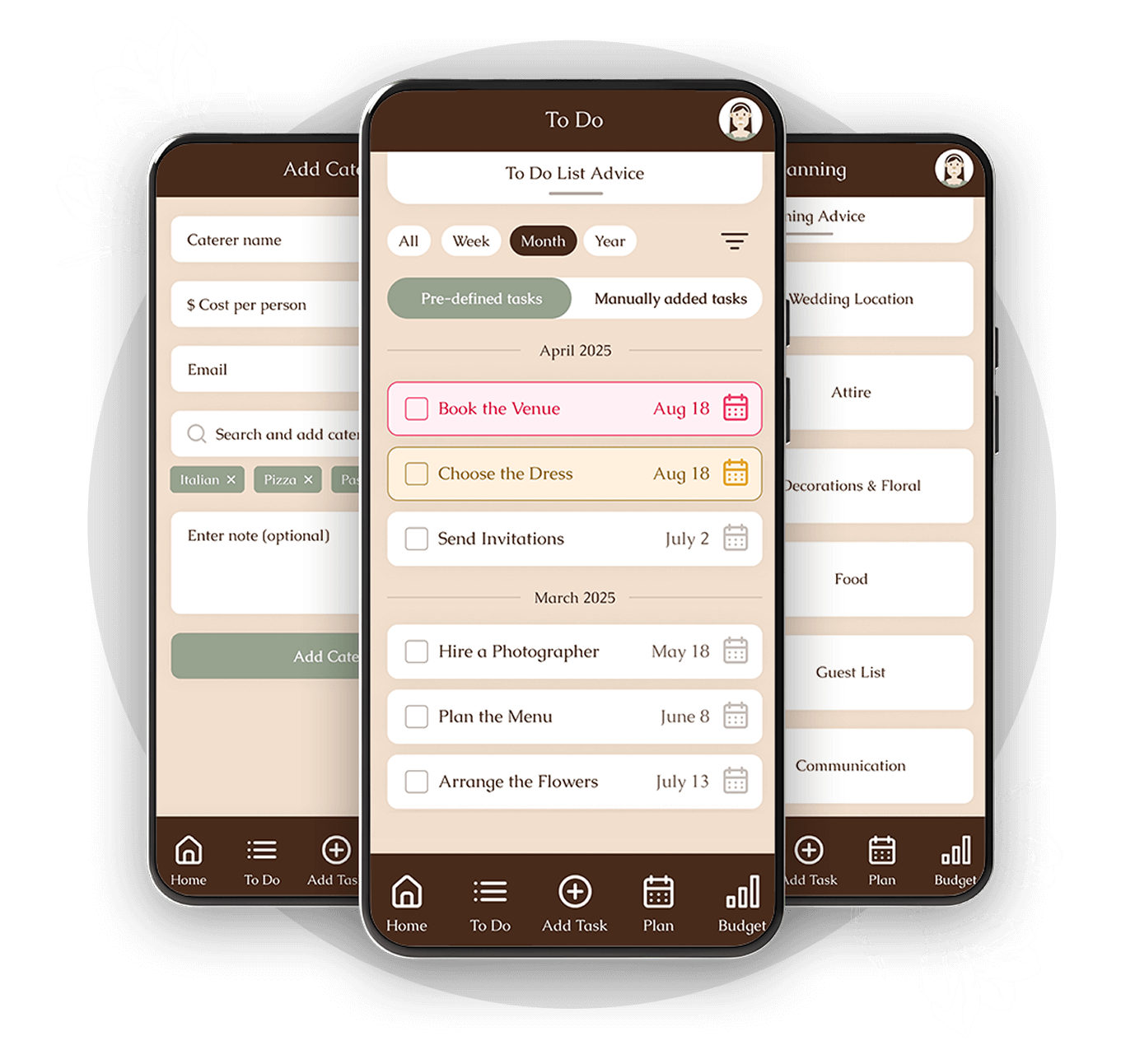
Centralized planning makes a big difference. Keeping everything in one place reduces repeated work and prevents forgotten tasks. Couples who maintain organized records tend to feel more confident about their progress. Each step feels connected to the larger plan.
Conclusion
Wedding planning often feels overwhelming because many couples begin without clear expectations. Budgets remain undefined, guest lists shift constantly, and decisions appear without structure.
Clarity changes everything. A thoughtful plan, realistic priorities, and organized information create a calmer process. Each step becomes easier to manage, and the celebration gradually takes shape.
The wedding day will always be special. The months leading up to it can feel meaningful as well. A steady planning approach allows couples to enjoy the experience together instead of feeling buried under endless tasks.
FAQs
When should wedding planning begin?
Most couples begin planning soon after their engagement. Early preparation allows more flexibility when selecting dates, organizing guest lists, and managing expenses.
How long does wedding planning usually take?
Planning timelines vary widely. Some couples spend a year organizing their celebration, while others complete the process within a few months. The pace depends on personal schedules and the scale of the event.
Why do many couples feel stressed while planning a wedding?
Stress often comes from disorganized planning. When tasks, budgets, and schedules are scattered across different places, it becomes difficult to track progress and priorities.
What helps make wedding planning easier?
Clear priorities and organized planning systems make a noticeable difference. Couples who track their tasks, budgets, and guest details in one place often find the entire process calmer and easier to manage.