
Why Small Weddings Often Feel More Meaningful
Wedding culture often suggests that bigger celebrations create stronger memories. Guest lists grow, expectations expand, and planning becomes tied to scale. But something interesting happens when the guest list becomes smaller. The atmosphere changes in subtle ways, and the emotional tone of the day often becomes richer.
The shift toward smaller celebrations reflects a broader change in how couples view weddings. Rather than trying to impress a crowd, many people prefer a gathering that feels personal and comfortable. The emotional experience becomes the main priority.
The Emotional Depth That Comes With Fewer Guests
A smaller guest list does more than simplify logistics. The atmosphere changes in ways that make the day feel more personal and present.
Conversations That Actually Happen
Large weddings often push couples into a constant cycle of greetings. Someone pulls them toward one table, another relative waves them over, and each interaction lasts only a minute or two. By the end of the night, many couples remember only fragments of those exchanges.
A smaller celebration creates space for real conversations. Guests speak with the couple without feeling rushed. Stories appear naturally, laughter lingers a little longer, and small memories begin forming throughout the day. That slower rhythm changes how the event feels for everyone involved.
Couples sometimes discover that these conversations become their favorite part of the wedding. A friend might share a memory from years earlier. A family member might offer advice or encouragement. None of these moments requires elaborate planning, yet they carry genuine meaning.
Guests Feel Like Participants
Large gatherings often turn guests into observers. They attend the ceremony, watch the couple move through scheduled events, then return home after the reception. The celebration happens in front of them rather than around them.
Intimate weddings shift that dynamic. Guests often contribute in small but meaningful ways. One friend might help arrange table details earlier in the day. Another relative might bring music equipment or assist with decorations. These gestures make people feel involved in the celebration itself.
Participation changes the emotional tone of the event. The day feels shared rather than staged. People connect with the couple and with each other, which adds warmth to the entire experience.
Emotional Moments Become More Visible
Large crowds can unintentionally hide emotional moments. Attention spreads across many people, and small expressions often disappear in the background.
A smaller gathering allows subtle reactions to stand out. A parent’s expression during the ceremony becomes noticeable. Friends exchange smiles across the room. A quiet hug between relatives suddenly carries more weight because nothing distracts from it.
Many couples recall these moments long after the celebration ends. Emotional memories rarely come from elaborate decorations or large productions. They grow from small interactions that happen naturally during the day.
Personalization Feels Natural Instead of Forced
Large weddings sometimes rely on grand design elements to create impact. Décor arrangements, entertainment features, and elaborate displays often aim to impress a crowd.
Small celebrations tend to lean toward meaning instead. Personal details become easier to include. Couples might write short notes to their guests, display family photographs, or incorporate traditions that reflect their history together.
These choices rarely feel performative. They simply represent the couple’s story. Guests recognize the authenticity immediately, which strengthens the emotional atmosphere of the entire celebration.
Why Simpler Planning Often Leads to a Better Experience
Emotional benefits often begin long before the ceremony. Planning a smaller wedding changes how couples approach decisions, time management, and financial priorities.
Fewer Logistics Create Clearer Decisions
Large weddings involve many moving pieces. Seating charts grow complicated, scheduling becomes tight, and every adjustment requires careful coordination. The planning process sometimes feels like managing a large event rather than preparing for a personal milestone.
A smaller celebration reduces that pressure. Decisions remain important, though fewer layers surround each one. Couples can focus on the elements that actually matter to them.
Clarity in planning also connects naturally with budget-friendly wedding planning. Spending choices become easier to evaluate when priorities remain clear. Instead of stretching funds across countless categories, couples direct resources toward experiences that hold real meaning.
Time Becomes a Real Advantage
Time often feels limited during wedding planning. Long task lists create pressure, and couples rush from one decision to another.
Small weddings tend to move at a different pace. Fewer logistical demands allow couples to spend time refining personal touches. Invitations may include thoughtful notes. Decorations might involve handmade details or sentimental objects.
This slower approach changes how planning feels. Instead of constant stress, the process becomes part of the overall experience.
Budget Decisions Become More Intentional
Financial choices influence every wedding plan. Large celebrations sometimes push couples toward spending patterns that feel disconnected from their priorities.
A smaller event allows a different approach. Money can support experiences that matter most to the couple and their guests. Some people choose meaningful photography. Others focus on memorable meals or thoughtful décor.
Intentional spending naturally aligns with budget-friendly wedding planning, though the focus remains on value rather than restriction. Couples decide where each dollar carries the most meaning.
Planning Alone Feels More Manageable
Many couples prefer to organize their weddings independently. Personal control allows them to shape the celebration according to their preferences.
Planning without assistance can still feel overwhelming. Decision fatigue appears quickly, especially when tasks pile up during the early stages.
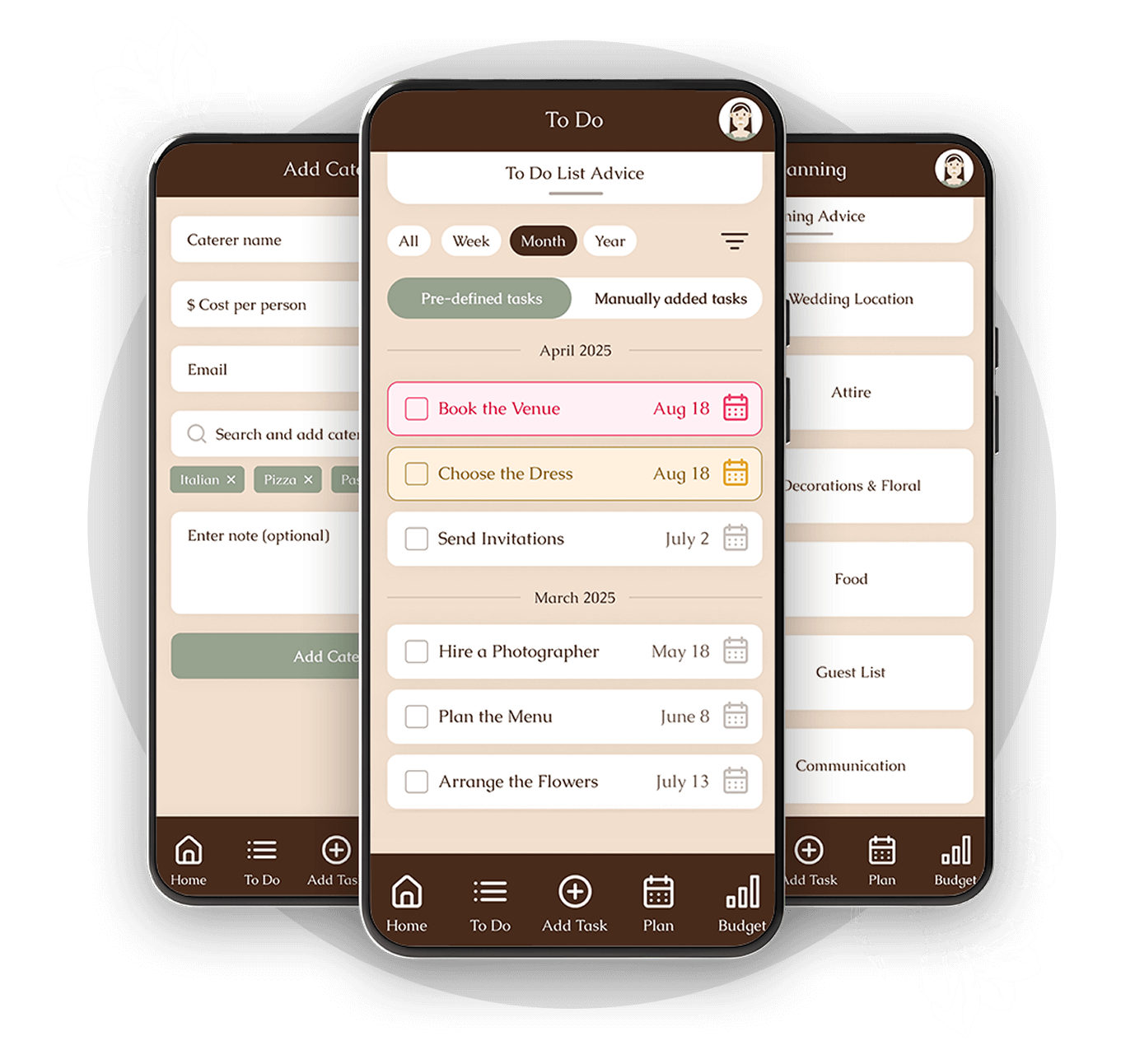
Some couples turn to digital planning tools to stay organized without adding unnecessary pressure. Bridal Your Way provides structured checklists, real-time cost estimates, DIY ideas, and manageable task reminders.
Guidance like this helps couples maintain clarity while managing budget-friendly wedding planning, especially for short timelines or solo efforts. The goal rarely involves perfection. Most couples simply want a clear path forward, along with the confidence that their plans remain realistic.
Conclusion
Wedding planning sometimes begins with expectations shaped by tradition, family influence, or social media. Large celebrations appear glamorous and exciting at first glance, but small weddings reveal something different. Relationships move to the center of the experience. Guests interact more closely with the couple and with each other.
Planning tools can still support couples who prefer simplicity. Structured guidance, such as the planning approach offered through Bridal Your Way, helps maintain focus on priorities without unnecessary stress.
If a smaller celebration feels right for you, start organizing your ideas early and give yourself a clear path forward. Download Bridal Your Way and begin building a wedding plan that reflects what matters most to you and your partner.